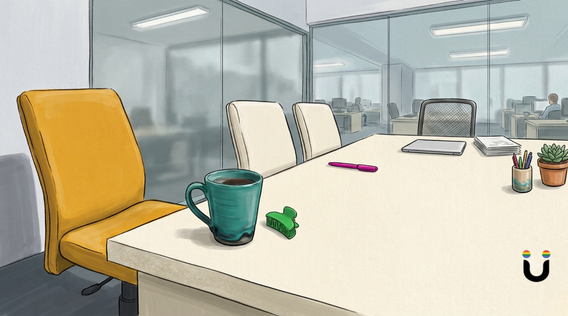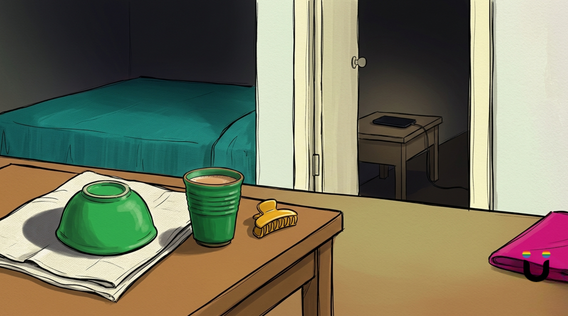
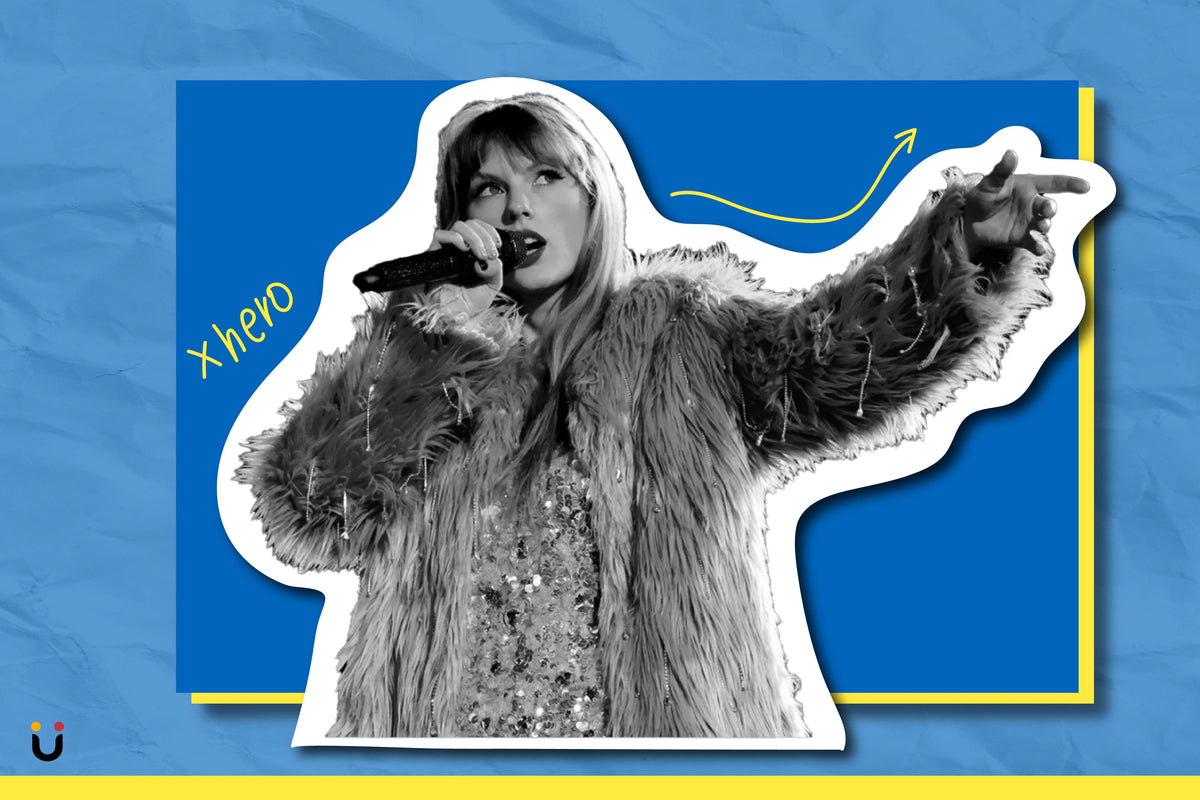
Image Source: AI Generated
"Did you hear my covert narcissism, I disguise it as altruism, like some kind of congressman?" If that line is stuck in your head, you have memorised "Anti-Hero." Taylor Swift is naming something real in it, and then, fittingly, being covert about what it is.
Covert narcissism, also called vulnerable narcissism, is a pattern of narcissistic traits that shows up as shyness, self sacrifice and hurt feelings rather than arrogance. Underneath sits the same need for admiration and the same difficulty with empathy. It is not a diagnosis on its own; narcissistic personality disorder is, and most people with covert traits never meet that threshold.
When we think of narcissism we picture the loud version: grandiose, aggressive, quick to anger. That is the one social media and cinema serve us. It is not the only one, and in the families I sit with, it is not even the most common one.
What Is Covert Narcissism?
Overt narcissism announces itself. Covert narcissism apologises for itself, and then makes you pay for the apology. The person is withdrawn, easily wounded, quick to say they are not good enough. They give a great deal and keep a private ledger of every gift. Criticism, even gentle, lands as an attack. Praise for anyone else in the room lands as a slight.
The features clinicians look for are low self esteem paired with a sense of being special and misunderstood, passive aggression rather than open conflict, a need for reassurance that never fills, and real trouble seeing another person's experience as separate from their own. Read that list and notice how much of it sounds like ordinary hurt. That is exactly why it goes unnoticed.
It goes unnoticed for a second reason too. In a collectivist culture like ours, we are taught from the age of two that thinking of others is the highest good and thinking of yourself is the worst thing you can do. A person whose narcissism is dressed as sacrifice is not breaking that rule. They are its poster child.
Why Does Bollywood Keep Romanticising It?
Because the covert narcissist makes an excellent romantic lead. Look at what the family drama and the romance caper glorify: the lover who rearranges everyone's lives for their own good, who manipulates and controls and calls it love, who plays god and is thanked for it.
In "Sweet November," Sara spends her last months before dying reshaping the lives of men who are not living well. Strip the romance out and you have a woman using other people to make her own life feel worthwhile. Closer to home, Aman in "Kal Ho Na Ho" engineers a stranger's marriage and her family's happiness while hiding his own illness, and the film asks us to find that beautiful rather than alarming. Being managed by someone who loves you becomes an honour.
If you are brown, you are born into the chaos of family and cinema together, and both teach you the same lesson about love: the person who gives up the most wins. I do not fall far from that tree, and I would not trade the chaos. Inside it is warmth, community, awkwardness, a shared shorthand nobody else has. But it also means a lot of us cannot tell devotion from control until we are thirty.
How Does Covert Narcissism Show Up in Indian Families?
In the therapy room, the romantic version is not where I hear it most. I hear it in parents, grandparents and siblings.
The typical Indian mother is expected to be a martyr. No personality beyond the family, no identity that is hers, no needs that are not someone else's needs first. That role is a machine for producing covert narcissistic traits, because when your only permitted source of worth is your children, their independence becomes a threat and their gratitude becomes a debt. She did everything for you. So you owe her everything, including your choices.
The father, meanwhile, is almost absent (he must work) and also non negotiably the most important person in the house. Nobody chose these roles. The roles chose them, and then twisted them. Which is why I am careful about the word narcissist in a family context. What I am usually looking at is a person shaped by a script, not a person with a disorder.
The tell is not what they say. It is how you feel after. Guilty, small, and unable to point to anything they actually did.
If that feeling is familiar, two pieces on this site go further than this one can. One is on what it takes to hold a boundary with your parents, and one on why unconditional love does not have to mean unconditional tolerance.
Are Covert Narcissists Bad People?
No, and this is the part that makes it harder rather than easier. I am not condoning the behaviour. I am pointing at the human under it. Allow the person to be a person and you will usually find a long list of experiences that taught them that love has to be earned through suffering and that being seen is dangerous. Is that a justification? No. Can someone work on it? Yes, and some do, though rarely because a relative sent them an article.
They struggle with empathy partly because nobody modelled it for them. That does not make it your job to supply the empathy they never got. It makes it your job to decide how much of yourself you are willing to hand over, and to notice when you have handed over more than you meant to.
What Do You Actually Do About It?
Compassion, and taking up space. Both at once, which is the hard bit.
Compassion means you can understand where their behaviour comes from without pretending it is fine. Taking up space means you do not engage the guilt, you say the thing you need, and you hold the boundary when it is tested, which it will be, usually by tears rather than shouting. A covert narcissist rarely argues with a boundary. They get hurt by it, and let you watch.
The pattern of being made to doubt what you saw and felt has its own name, and if that is the version you are living with, this piece on gaslighting is the better next read. Working out which of your reactions are yours and which were trained into you is slow, and it goes better on paper. The Explore journal was written by our psychologists for exactly that sorting.
And a warning I give every client who arrives with a diagnosis for a family member: going around labelling people serves nobody. It hardens the family, it gives you a reason to stop looking at your own part, and it is usually wrong. We all carry some healthy narcissism. The question is not who in your family is a narcissist. It is what you want to keep doing, and what you would like to stop.
If parts of this were uncomfortably familiar, that discomfort is information. Therapy is a room where you can lay the pattern out with someone who is not in it. It will not make your mother different. It may make you clearer about what you owe her, and what you do not.
What Else Do People Ask About Covert Narcissism?
Is covert narcissism a diagnosis?
No. The clinical diagnosis is narcissistic personality disorder. Covert or vulnerable narcissism describes a way narcissistic traits present, with shyness, sensitivity to criticism and self sacrifice on the surface. Many people show these traits without meeting the threshold for the disorder, and only a clinician can make that call.
What is the difference between covert and overt narcissism?
Overt narcissism is grandiose and visible: arrogance, dominance, open anger when challenged. Covert narcissism is quieter and defensive: withdrawal, wounded feelings, passive aggression, and giving that comes with an expectation of return. Both share a strong need for admiration and difficulty with empathy.
Can a covert narcissist change?
Some people with these traits do change, usually through long term therapy they chose for themselves. Change driven by a partner or child's ultimatum tends not to last. If you are waiting for someone to change before you set a boundary, the boundary will wait a long time.
How do I set boundaries with a covert narcissistic parent?
Decide the boundary in advance, state it plainly and briefly, and expect it to be met with hurt rather than argument. Do not defend or over explain, because explanation reopens the negotiation. Keep the boundary consistent for weeks, not days. A therapist can help you separate reasonable guilt from trained guilt.
This piece is for understanding, not diagnosis. Please do not use it to diagnose a family member or partner. If living with someone is affecting your sleep, safety or sense of reality, that is reason enough to speak to a professional.