
Depression therapy · online & in Lower Parel
Depression therapy in Mumbai: online or in person.
Depression isn’t sadness that lifts by evening. It’s a flatness that stays for weeks, even when life looks fine from the outside. Therapy for it is a real, structured way through — not a pep talk.
If you’re not safe right now, the numbers to call are here.
The Thought Co. offers therapy for depression with psychologists, online across India or in person at Lower Parel, Mumbai. Sessions are 60 minutes and usually use CBT; they cost ₹1,500 to ₹8,000 depending on the therapist, and the first 15-minute intro call is free. No diagnosis is needed to start. If you’re in crisis, call the KIRAN helpline on 1800-599-0019 or Vandrevala on 1860-2662-345.
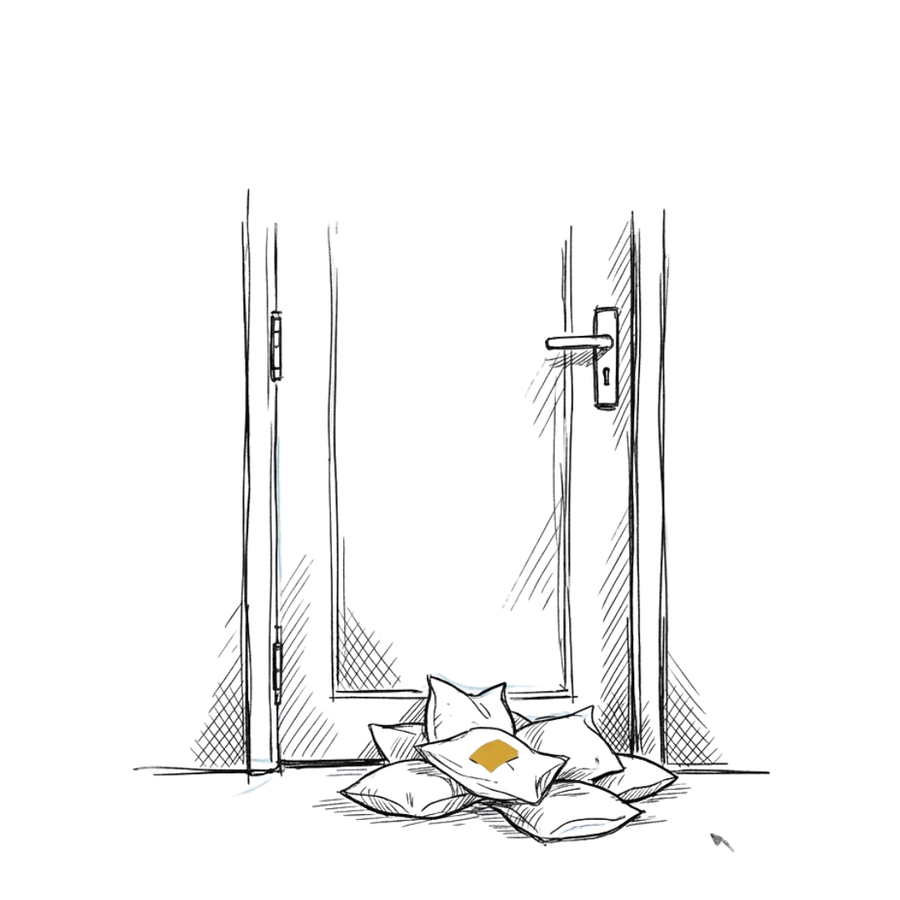
Most days it doesn’t look like crying. It looks like tiredness sleep doesn’t fix. Things that used to feel good go quiet. Focus takes twice the effort. Underneath, a steady sense that you’re a burden — and a physical side: heaviness in the body, appetite that swings, aches with no clear cause. A rough patch lifts on its own in a few days. Clinical depression stays for weeks, and reaches into your sleep, appetite and energy, not just your mood.
A quiet check-in
Does any of this sound like you?
Tap the ones you recognise. Nothing is scored, nothing is saved, and nothing here is a diagnosis — it’s a way to see it laid out.
swipe →
Recognise a few? That’s reason enough to talk to someone.
Not sure it's therapy-level yet? turn the twelve thoughts over first
If you need support right now
If you’re having thoughts of harming yourself or feel unable to cope right now, please reach out immediately. These lines are free, confidential, and open 24 hours. You deserve support, and you don’t have to go through this alone.
Depression isn’t sadness.1
1 More often it’s the absence of feeling than the presence of sadness — the clinical word is anhedonia: things that used to matter go quiet. That’s why “but I’m not even sad” is one of the most common things people say in a first session.The different forms
Types of depression we help with
Recognising the type isn’t about labelling yourself. It’s about seeing your own shape in one of them.
swipe →
Persistent low mood
Clinically, major depressive disorder: a low, flat mood lasting weeks or longer that touches your sleep, appetite and interest in things.

Postpartum depression
Can arrive in the months after childbirth, as low mood, exhaustion and a painful distance from your baby that guilt makes hard to admit.
Situational or seasonal depression
Sometimes depression follows a loss, a move, or a change of season. It’s still real depression, even when there’s a reason you can point to.
If it followed a loss: grief counselling →
Burnout that stopped being burnout
Work exhaustion that a holiday didn’t fix, and that has started to reach into everything else. Often the way depression arrives for people who are still showing up.
Burnout & work therapy →Today, so far
Tap anything you did today. It all counts.
On a heavy day the bar isn’t productivity. It’s this list. Therapists call it behavioural activation — the small actions come first, and the mood follows, slowly.
swipe →
Nothing yet is also information. It’s not a verdict.
How therapy for depression actually works
Three things people want to know first.
How does therapy for depression actually work?
Most often with CBT — cognitive behavioural therapy — which in plain terms means learning to notice the thought patterns that quietly keep the low mood running, and practising how to challenge them. Alongside that, behavioural activation: small actions first, mood follows. You leave with things to try, not just things to feel. If anxiety is tangled in with it, which is common, we work with both.
Online or in person — which is better?
Online suits you if you want privacy, an unpredictable schedule, or open up more easily from your own space — and when leaving the house is one of the hardest things depression takes from you, the session from your own sofa is often what makes starting possible at all. In person at Lower Parel suits you if face-to-face presence steadies you, or if leaving the house for yourself is part of what helps. Same psychologists both ways. Start with whichever is less of a hurdle today.
Depression, in an Indian family
If you’ve been told to just be strong, to think of everyone depending on you, to not let log kya kahenge decide anything — and yet feel it deciding everything — you know the particular weight of this here. So you keep performing while something inside has gone flat. Reaching for help isn’t weakness, and it isn’t giving up on your responsibilities. It is one of the most private, most sensible decisions you can make for yourself. The other half of log kya kahenge →

Alongside therapy
Small things for the days the room isn’t available.
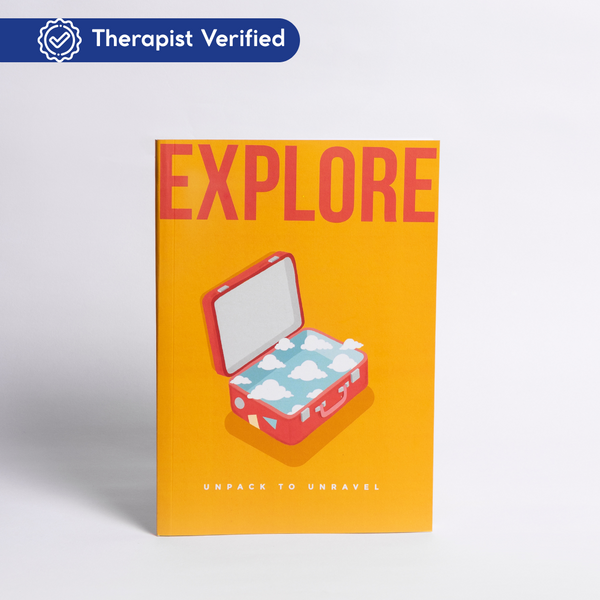
A few honest lines, a couple of times a week, help you notice what lifts your mood and what pulls it down — patterns hard to see from inside a low week. A companion to therapy, not a replacement.
swipe →
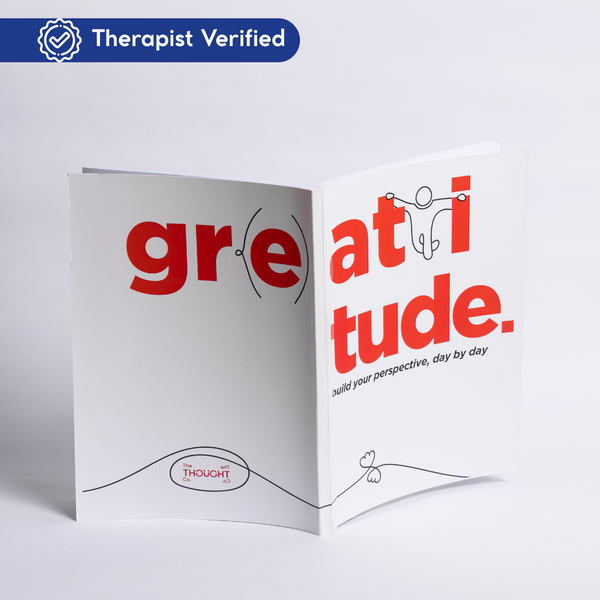
If you’d rather read first
More on depression
swipe →
Fees & booking
Session fees, and how booking works.
Therapy for depression at The Thought Co. costs ₹1,500 to ₹8,000 for a 60-minute session, depending on the therapist you work with. The first 15-minute intro call is free.
- Start here: a free 15-minute intro call to find the right fit
- Format: online from home, or in person at Lower Parel
- Rhythm: 60 minutes, usually weekly to start
- No lock-in: no package to commit to upfront
Common questions
Frequently asked questions about depression therapy
Is depression curable?
Depression is highly treatable, and most people improve significantly with the right support. Therapy helps you understand what’s driving the low mood and build ways through it. Recovery takes time and looks different for everyone, but getting better is the norm, not the exception.
How do I know if I’m depressed?
If low mood, loss of interest or exhaustion have lasted two weeks or longer and are affecting your daily life, it’s worth taking seriously. Only a professional can say for sure, and a therapist can help you understand what you’re actually experiencing, without any pressure. If you’re not sure it’s therapy-level, turn the thoughts over first.
What is clinical depression?
A persistent low mood and loss of interest that lasts weeks and affects how you sleep, eat, think and function. It differs from everyday sadness, which lifts on its own in a few days. Clinical depression stays, and usually needs support to shift.
Is online therapy effective for depression?
Yes. Research shows online therapy can be just as effective as in-person sessions for many people with depression. You get the same structured approach and the same qualified therapist, from home. For anyone who finds leaving the house hard, that accessibility can be what helps them begin. How online therapy works with us →
How many sessions does depression therapy usually take?
Many people notice a shift within 8 to 20 sessions, though this is only a general guide. The number depends on your situation, your goals and the pace that’s right for you. Your therapist keeps checking in on progress rather than working to a fixed count.
Should I choose medication or therapy for depression?
Both are valid, effective options, and they’re often used together rather than being an either-or choice. A qualified healthcare professional can help you decide what suits your situation. This page is general information, not medical advice.
A small next step
You don’t have to feel ready to begin.
You just have to be willing to talk to someone once. Start with online therapy from home, or come in to our Lower Parel practice for individual therapy. Same care, either way.
one conversation. that’s the whole first step.