Image Source: AI Generated
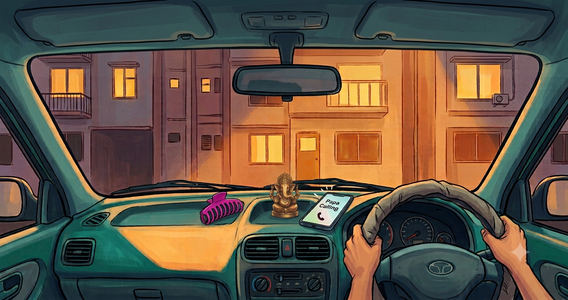
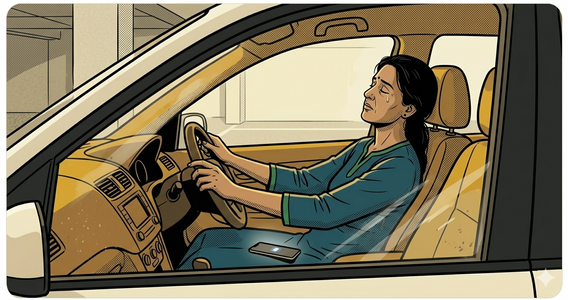
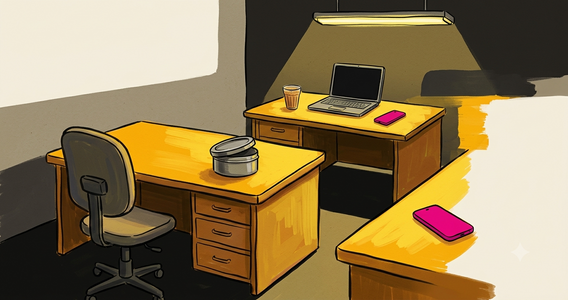
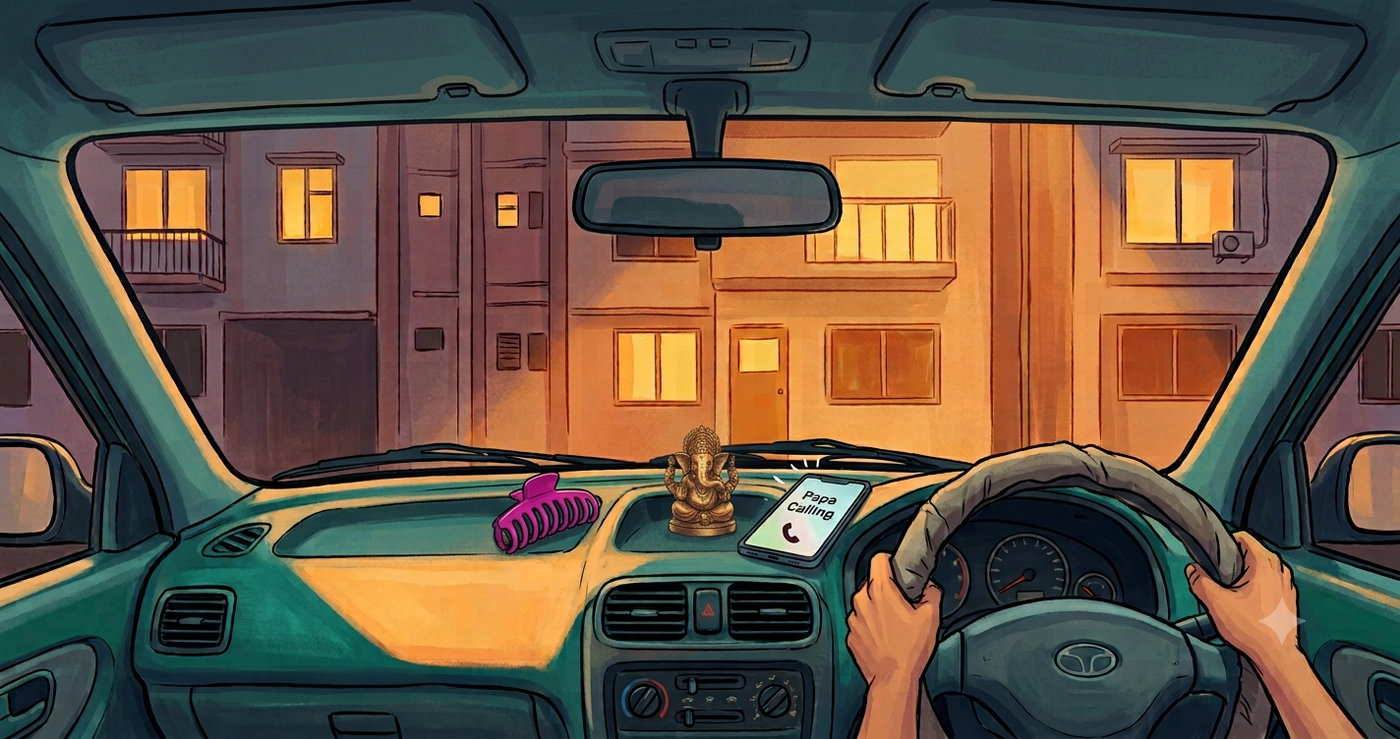
Meera (name changed; shared with consent) is thirty-four, runs a small design studio, and calls her mother every single day. She also, some evenings, sits in her car in the building car park for a few minutes before she goes up, because she is so angry with that same mother that she does not trust her own face yet. Both of these things are true at once. Neither of them makes her a bad daughter.
You can be angry at your parents and still love them. Psychologists call holding two strong and opposing feelings toward the same person ambivalence, and it is one of the most ordinary features of a close relationship. The anger does not cancel the love. Most of the time it sits right beside it.
For a lot of Indian daughters, the anger is not the difficult part. The permission is. We can feel the heat rise in our chest and, in the same second, apologise for it, explain it away, decide it is proof that we are ungrateful. The feeling gets managed before it is ever fully felt. What you are left with is not calm. It is a low, humming guilt that you cannot quite name, because nobody ever taught you that this particular feeling was allowed to exist.
Why does being angry at your parents feel like a betrayal?
Because for many of us, anger at a parent was never treated as a feeling. It was treated as a verdict. To be angry at your mother was to accuse her, and to accuse her was to be disloyal, and disloyalty in an Indian family is close to the worst thing a daughter can be.
The scripts we grow up inside make this worse. There is seva, the idea that care for a parent is sacred duty. There is izzat, the family honour you are quietly responsible for protecting. There is the running ledger of sacrifice, the reminder of what was given up so that you could have what you have. Set against all of that, your anger can feel not just unwelcome but obscene, like turning up to a temple in your worst mood. So you swallow it. And you carry the guilt of having felt it in the first place, which is often heavier than the anger ever was. Many of my clients feel this same guilt about simply mentioning something a parent did, as though naming the hurt is the offence, an experience TTC has written about in why parents struggle to apologise.
There is a particular loneliness in being the first person in your family to say a feeling out loud that the family has no shelf for. You are not handed the words. You have to build them yourself, usually late, usually alone, usually while wondering if wanting them at all means something is wrong with you.
Can you love your parents and be angry at them at the same time?
Yes, and the word for it is worth sitting with. Ambivalence comes from the Latin ambi, meaning both, and valentia, meaning strength. Two forces of equal weight, pulling in opposite directions, at full power. Not a weak or diluted version of each. The love at full strength. The anger at full strength. Both true, both yours, at the same time.
Love is the daily phone call. Love is being angry that you still expected more. Indifference is what leaves. This stayed.
This is not a poetic flourish. Researchers who study close relationships describe the same thing. In a set of studies published in 2024 in the journal Social Psychological and Personality Science, Giulia Zoppolat and colleagues, working with more than a thousand people in relationships, open by naming the plain irony of it: the people we are closest to are also the ones we sometimes feel the strongest negative emotions toward. Holding both is not a malfunction. It is what closeness does. The research base there is romantic partners, but any therapist will tell you the same pattern runs straight through the bond between a parent and a grown child, where the stakes and the history are older and deeper.
So when Meera sits in the car park, furious, and then goes up and asks her mother if she has eaten, she is not being a hypocrite. She is being a whole person. The anger is real. The going up is also real.
Where does a daughter's anger at her parents actually come from?
Usually from being the one who was expected to absorb everyone else's weather and never make any of her own. In a lot of Indian homes, a daughter learns early that her job is to keep things smooth and to manage the moods of everyone louder than her. The anger builds in the gap between how much she gives and how little she is allowed to want back.
Anger is rarely the whole story, though. It usually stands guard over something softer and more frightening underneath, the grief or the fear or the old unmet need for recognition. We have written about that mechanism in depth in why your anger is not the problem. For the purposes of this piece, the point is smaller and kinder. The anger is information. It is telling you that something mattered, that some need went unmet, that you noticed. A daughter who feels nothing toward her parents is not more evolved. She has usually just stopped expecting anything at all. Your anger is often the last honest proof that you still hoped. This is the same tightening many women describe watching their mothers give endlessly and never rest, a feeling explored in the unspoken cost of being a good woman.
Do you have to confront your parents to deal with the anger?
No. This is the part most articles get wrong, especially the ones written for a Western reader. Feeling the anger and staging a confrontation are two completely separate decisions, and you are allowed to make the first without ever making the second. Permission to feel is not an instruction to act.
The dominant advice online tells you to have it out with them, set a hard boundary, or go no contact. Sometimes that advice fits. Often, in an Indian family where the parent is ageing and the ties are financial and social and daily, a confrontation is expensive and changes very little. You can know exactly why you are angry and still decide, with your eyes open, that the conversation is not worth having. That is not avoidance. That is a competent adult choosing where to spend herself. If and when you do want to raise something, TTC has a gentler guide to those conversations in how to talk to an ageing parent about mental health.
There is one exception worth naming honestly. If your anger keeps pointing at something that is still happening, harm that is ongoing rather than old, then the anger is data you should not have to sort through alone. That is worth taking to someone trained to help you tell the difference between a wound and a warning. A therapist can hold that with you without turning it into a bigger fire or backing away.
What do you do with anger you are not going to act on?
You let it be felt, and you let it tell you what it knows. Anger that is witnessed, even privately, stops having to shout. Name it to yourself in words that are not softened for anyone's comfort. Notice what it is protecting. Ask the quieter question underneath it: before I was angry, what did I actually want from them, and did I get it?
The rest is smaller than the internet promises. A walk where you do not perform being fine. A page in a notebook nobody will read, which is often where the truest sentence finally shows up. One friend who can hear the anger without either escalating it or fleeing from it. These are not cures. They are places to put your hands while the feeling moves through, the way you would tend a plant you are not trying to rush into flower.
None of it resolves the ambivalence, and it is not supposed to. The anger and the love keep sharing the same room. That is the work. Not to evict one so the other can finally relax, but to stop treating their coexistence as a personal failing.
Meera still sits in the car some evenings. She still goes up. What has changed is not the feeling. It is that she has stopped reading it as proof that she is a bad daughter, and started reading it as proof that she is a daughter who wanted more, which was always allowed. Some nights she is angry and she loves her mother and she goes upstairs anyway. That, it turns out, is not the contradiction. It is the whole of it.
Frequently Asked Questions
Is it normal to be angry at your parents?
Yes. Anger at a parent is one of the most common things people bring into a therapy room, and it does not mean the relationship is broken or that you are ungrateful. Anger is usually information, telling you a need went unmet or something mattered. Feeling it does not make you a bad son or daughter.
Why do I feel so guilty for being angry at my parents?
Because many of us were raised to treat anger at a parent as disloyalty rather than as a feeling. Cultural ideas of duty, honour, and a debt owed for sacrifice make the guilt sharper, especially for daughters. The guilt is learned. It is not proof that your anger is wrong.
Can you love someone and be angry at them at the same time?
Yes. Holding strong positive and strong negative feelings toward the same person at once is called ambivalence, and it is a normal feature of close relationships. The anger does not erase the love. In the people we are closest to, the two very often sit side by side.
Should I confront my parents about how they hurt me?
Not necessarily. Feeling your anger and confronting your parents are separate choices. In many families a confrontation is costly and changes little, and choosing not to have it is a valid, adult decision rather than avoidance. The exception is ongoing harm, which is worth working through with a professional.
Sources
Zoppolat, G., Righetti, F., Faure, R., & Schneider, I. K. (2024). A Systematic Study of Ambivalence and Well-Being in Romantic Relationships. Social Psychological and Personality Science, 15(3), 329–339.