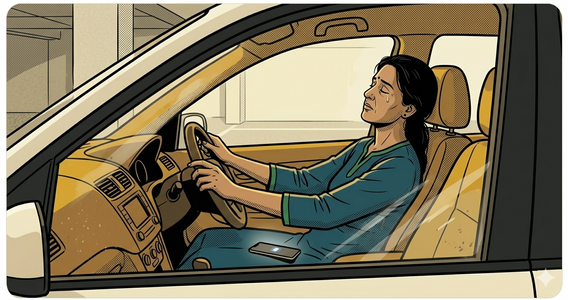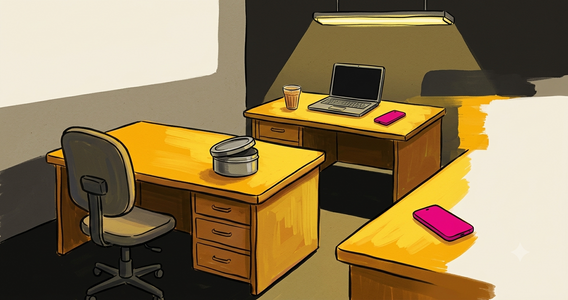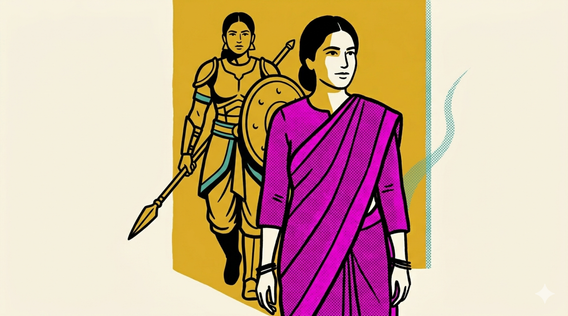
The year I moved out for work, I called my mother every evening. Her voice had a brightness in it that I did not recognise. Everything is fine here, she would say, the food is in the fridge, the plants are watered, do not worry about us. It took me months to understand what the brightness was. It was the sound of someone managing an empty house. This is what empty nest loneliness actually sounds like at first. Not a parent falling apart. A parent holding it together a little too well.
Most people imagine the empty nest as a problem of time. The children leave for college, or a job in another city, or a marriage, and suddenly there are hours in the day that used to be full. But the parents I sit with in that first year do not describe a time problem. They describe a sound problem. The house got too quiet, and the silence is not restful. It keeps waiting for a door that does not open, a bag that does not get dropped in the hallway, a voice asking what is for dinner.
"The silence after a full house is not rest. It is a room still listening for a door that does not open."
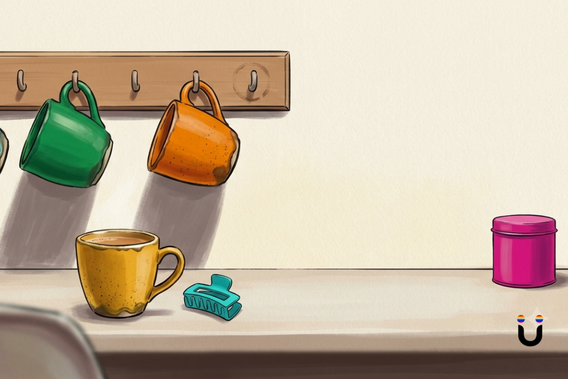
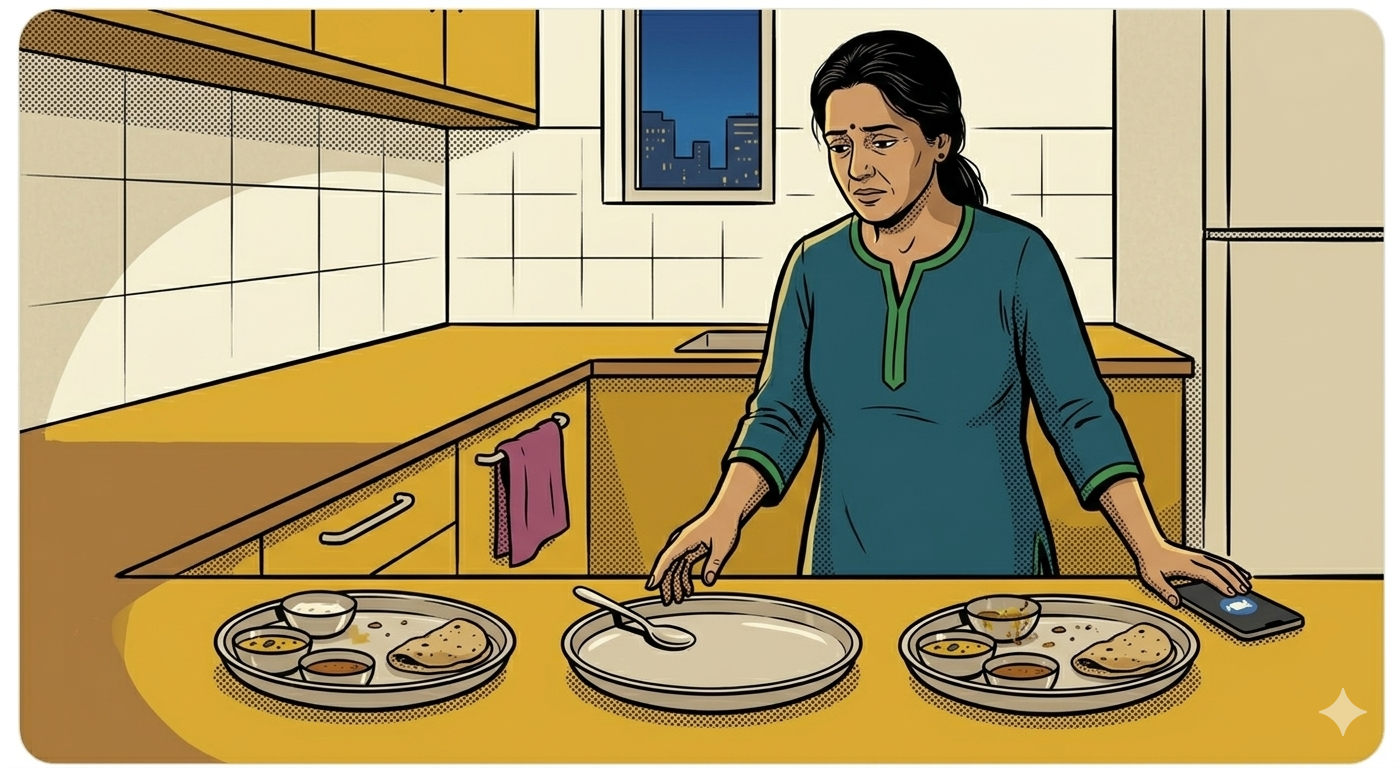
Vandana is fifty three (name changed, shared with consent). Her daughter Ira moved to Manchester for a master's eight months ago, the first person in their family to study abroad. When Vandana came to see me, she told me something she had not said out loud to anyone. She was still cooking for three. Not by decision. By habit. She would chop for three, salt for three, lay out the steel plates, and then catch herself at the counter with food that two people could not finish. One evening she had laid the table fully, sat down, and realised the person she had set the third place for was seven thousand kilometres away and fast asleep. She did not know what to do with her own evening. She had not had an evening that was only hers in twenty two years.
Why does an empty house feel like grief and not freedom?
Because it is a loss with no body to bury and no permission to mourn. The clinical name for this is ambiguous loss, a term coined by the family therapist Pauline Boss. It describes a loss that has no closure, where the person you are missing is physically absent but psychologically still completely present. Ira is not gone. She texts, she video calls, she will come home at Christmas. There is nothing to grieve in the way we are taught to grieve, and so the grief has nowhere to go.
This is the part that confuses parents the most. The mind knows the child is fine, thriving even, doing exactly what you raised them to do. But the body has spent two decades organised around a presence that is suddenly not in the next room. The body keeps reaching for it. You walk past a closed bedroom door and your chest does something you cannot explain, because rationally there is nothing to be sad about. Ambiguous loss is precisely that gap, between what you know and what you feel, and it does not close just because everyone keeps telling you how proud you must be.
Why does empty nest loneliness hit Indian parents differently?
Because Indian parenting is rarely built as one part of a life. For most Indian parents, and mothers especially, it is built as the whole architecture of a life. The day is shaped around tiffins and tuitions and the eternal question of whether everyone has eaten. When the child leaves, it is not a role that ends. It is the operating system going dark. Research on middle aged adults in Eastern India by Budhia and colleagues found that empty nest distress runs higher among women, which surprises no one who has watched an Indian mother build her entire calendar around someone else.
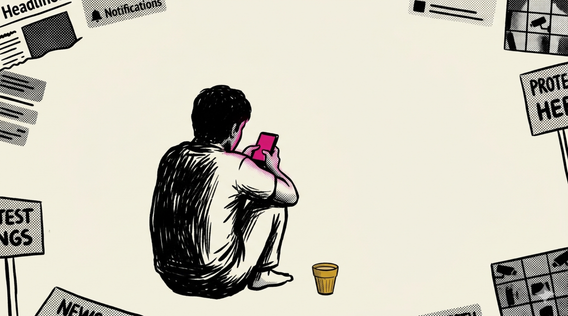
There is a second thing that makes it sharper here. Our children increasingly do not move across town. They move to Bengaluru, to Toronto, to London, to a time zone where their morning is your night. The child who left is not a short drive away for Sunday lunch. They are a person you now schedule calls with, around a five and a half hour gap, hoping they pick up. The distance is not only kilometres. It is the slow understanding that they may build their whole adult life somewhere you will only ever visit. And being surrounded by relatives and a spouse does not fix this, because loneliness is not the same as being alone. You can be lonely at a full dinner table.
What if no one will let you grieve this?
This is the cruellest part, and the part nobody warns you about. When you try to name the sadness, you are met with congratulations. But isn't this what you wanted. You should be happy, she is doing so well. Now you are free, go enjoy. The grief is real and the world keeps handing you a party invitation. There is a name for that too. Kenneth Doka called it disenfranchised grief, the grief that gets no social permission, no ritual, no one nodding and saying yes, this is a real loss. So you learn to perform the brightness my mother performed. Everything is fine here.
And then there is the layer underneath the layer. Sometimes the silence does not only reveal the missing child. It reveals a marriage that had quietly arranged itself around the child for two decades. Two people sit at a smaller table and discover they have run out of things to say that are not about the person who left. That is its own grief, and pretending it away does not help. Sometimes the empty nest is not just about the child being gone. It is about who you are when the thing you organised yourself around stops needing you.
So what do you actually do with the silence?
First, you let it be grief. Not a to do list, not a sudden hobby, not a class you sign up for to fill the hours so you do not feel it. The instinct everyone hands you, keep busy, is often a way to avoid the feeling rather than meet it. What I have seen help is smaller and harder. You tell one person the truth, not the bright version. You let yourself say, I miss her so much it has a physical weight, and I also know she is exactly where she should be. Both of those are allowed to be true in the same sentence.
The relationship with your child does not end. It changes shape. It moves from logistics, the eating and the homework and the lifts, to something you both now have to choose on purpose. That choosing is new and it is awkward and it is also where a different kind of closeness can grow. And slowly, without forcing it, you begin to re-meet the parts of yourself that existed before you were anyone's parent. Not to replace the child sized space, you cannot, but to remember that you were a whole person before the house was full, and you are still one now that it is not. If the silence has made the loneliness hard to carry, there are ways back into connection that do not ask you to pretend you are fine.
The house does not become peaceful by being filled with noise again. It becomes bearable when you stop needing the silence to mean something is wrong with you. One day Vandana will lay the table for two and it will not feel like a smaller life. Just a different one, with a daughter in it who calls from a city she chose, because the whole point of all that cooking for three was to raise someone who could leave.
If the first year in a too silent house has started to feel heavier than you can hold on your own, you do not have to keep performing the bright version. Talking to someone who understands ambiguous loss can make the silence make sense.
Book a session with a TTC psychologistFrequently Asked Questions
Is empty nest syndrome a real condition?
Empty nest syndrome is not a clinical diagnosis, but the grief and loneliness it describes are real and well documented. Psychologists understand it through the framework of ambiguous loss, a loss without closure where the person you miss is physically absent but still very present in your life. The fact that it is not a formal disorder does not mean the sadness is not worth taking seriously.
How long does empty nest loneliness last?
For most parents the first year is the hardest, as the daily rhythm of the home reorganises itself around an absence. The sharpest feelings usually ease as a new routine forms and the relationship with your child settles into its new shape. There is no fixed timeline. If the low mood deepens, persists well beyond the first year, or starts affecting sleep, appetite and interest in everything, it is worth speaking to a professional.
Why does empty nest syndrome seem to affect mothers more?
Research in India and elsewhere finds that empty nest distress tends to run higher among women. This is rarely about temperament and usually about structure. In many Indian families the mother's identity and entire daily routine have been organised around caregiving for two decades. When the child leaves, it is not one role ending but the central architecture of the day going dark, which is a much larger thing to rebuild.
How do I cope with empty nest loneliness without just filling the time?
Start by letting it be grief rather than a problem to solve with busyness. Tell one person the honest version instead of the bright one. Allow the relationship with your child to change shape, from daily logistics to a connection you both choose on purpose. Then slowly re-meet the parts of yourself that existed before parenting, not to replace the child but to remember you are a whole person. If it stays heavy, support from a psychologist genuinely helps.