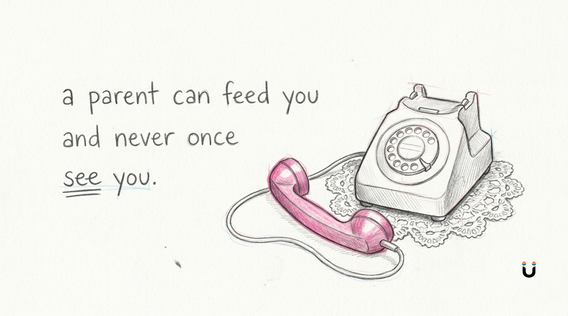
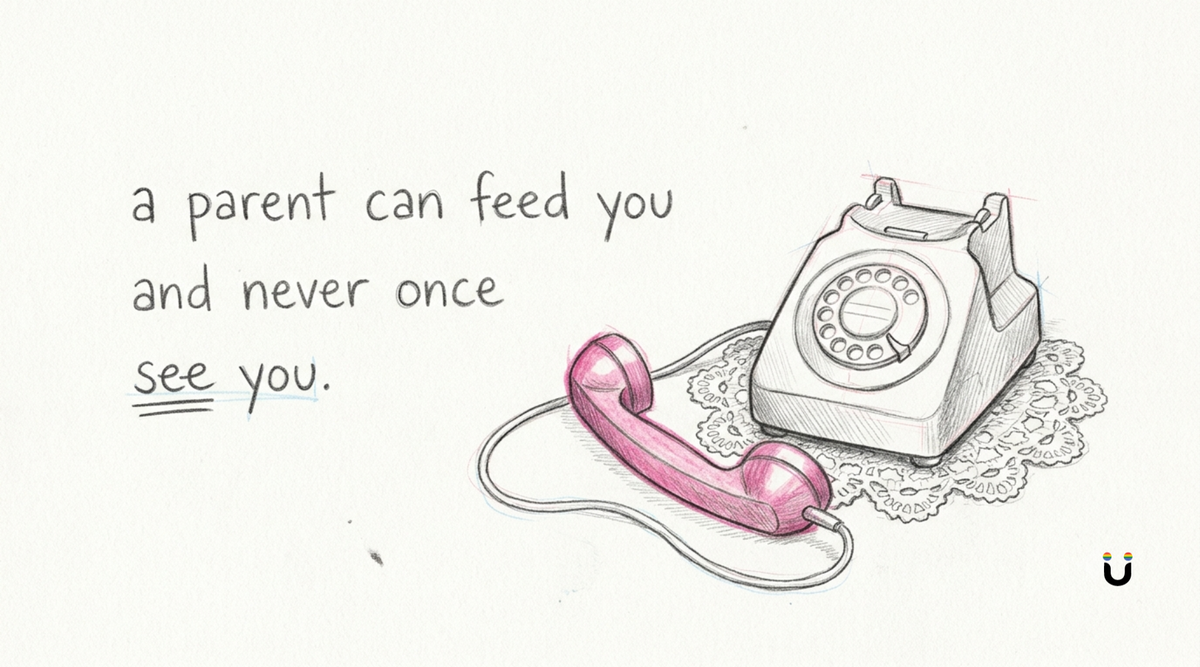
Picture a phone call on Diwali evening. It lasts four minutes. She asks about your salary, your weight and whether you've eaten. She doesn't ask how you are.
Afterwards you sit with the phone for longer than the call lasted. You aren't quite sure what you're feeling. It isn't anger. It's closer to the feeling of having been very well looked after but not once seen.
A note before we go on. We usually try to be funny. This one is heavier than our usual voice, so we'll keep the jokes small and tell you when we get it wrong. "Toxic parents" is the phrase most people reach for when a parent's behaviour is repeatedly harmful to their child, and the signs of toxic parents tend to be the quiet, steady ones: constant criticism, conditional love, guilt used as pressure, a boundary treated as betrayal. Toxic parents in India come with an added layer, the sacrifice and duty wrapped around the hurt, which is what makes the word so hard to say in the first place. It isn't a diagnosis, and it doesn't mean your parents are monsters. It names a pattern that hurts, however much love or sacrifice sits right beside it.
What do people mean when they say toxic parents?
Usually a pattern, not a bad day. Criticism that never quite lets up. Comparison to a cousin who's always doing better. Love that has to be earned, with marks, money or marriage. Guilt spent like currency: "After everything I've done for you."
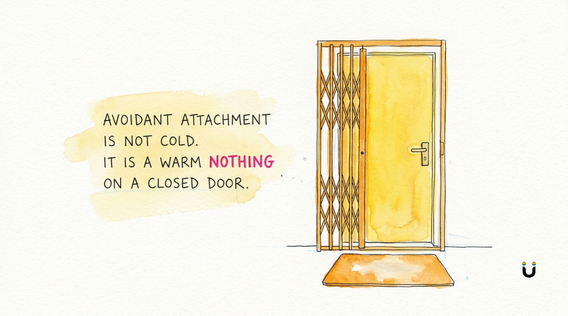
They also mean boundaries read as betrayal. A closed door becomes "hiding something." A no becomes "disrespect." Silence becomes a punishment that can run for days. Privacy becomes a thing a child earns, once they're well-behaved enough to deserve it.
Every parent loses their temper. Every parent says things they regret. What separates the ordinary from the harmful is repair. A parent who can come back and say "that was unfair" isn't what this phrase is describing. A parent who can't, or won't, across years of chances, is closer to it.
Why is this so hard to say out loud in India?
Because the story we were handed leaves so little room for doubt. Parents sacrifice. Parents know best. A good child repays the debt. Questioning any of it, even privately, can feel like a betrayal of the family itself.
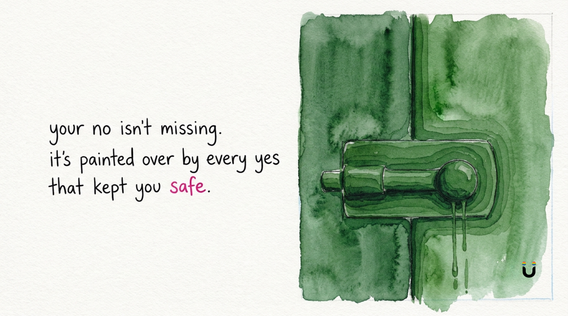
So a lot of us hold two thoughts at once and let neither one speak. "They did so much for me." And "I don't feel safe telling them how I actually feel." Both are true, which is exactly why carrying them is so tiring.
If this is the thought you keep circling, we have written about the half of "log kya kahenge" nobody talks about and about why talking about our parents is so hard.
Can a parent be harmful and loving at the same time?
Yes, and this is the thing that keeps people stuck. A parent can love you fiercely and hurt you steadily, in the same stretch of years. Their own history can explain the behaviour without excusing a minute of it. Both of those can be true on the same afternoon, in the same person.
Understanding why a parent is the way they are can be a real kindness. It can also quietly become a way of never being allowed your own anger. When every explanation turns up carrying a demand that you forgive on the spot, it has stopped being an explanation. It's just pressure wearing an explanation's clothes.
Be careful with the label too. "Toxic" is a heavy word, and it is easy to use it to end a conversation. Some patterns look like narcissism when they are fear, or exhaustion, or an old way of loving that nobody ever updated. If you suspect something specific, read what is covert narcissism.
If there's been physical harm, sexual harm, or ongoing threats, this is a different conversation from the one this piece can have. Please talk to a professional you trust, and put your own safety first.
What can you do without burning everything down?
You can decide what the call is for. Four minutes, no salary talk, no weight. You can end it warmly and on time.
You can choose the topics you won't discuss. Not as an announcement. As a habit. "I'd rather not talk about that today," repeated gently, becomes a pattern of its own over time.
You can build distance without a dramatic exit. A different city. Fewer visits. A friend who shows up for the hard festivals. For some people that's enough. For others it isn't, and that's allowed too.
You can grieve. Not their death. The parent you needed and didn't get. That grief is a quiet one, it comes with no ritual to mark it, and it's as real as any other.
A therapist can help you do all of this at a pace that does not break you. The point is not to win. The point is to stop being so tired. You may love them and still need the call to end in four minutes. Both of those can be on the phone at once.
Frequently asked questions
How do I know if my parents are toxic?
Look for a repeated pattern rather than isolated mistakes: constant criticism, love that depends on obedience or achievement, guilt used as pressure, and punishment for setting limits. Ask whether they can ever apologise or repair the damage. A lack of repair over years tells you more than one loud argument ever could.
Is it wrong to set boundaries with Indian parents?
No. Boundaries aren't a rejection of your parents. They're a way of keeping the relationship possible at all. In many families they'll feel unfamiliar and may be resisted at first, so small, calm, repeated limits tend to work better than a single dramatic one.
Should I cut off toxic parents?
That's a deeply personal decision with real costs either way, and it isn't the only option on the table. Many people reduce contact, limit topics, or build physical distance first. A therapist can help you weigh what you can actually sustain, especially when guilt or fear is part of the picture.