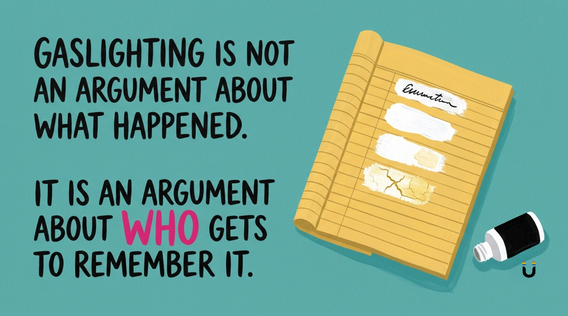
Yes, you can take the later flight. Yes, you can pick up the cake. Yes, you can look at the deck tonight. Yes, of course you can host the fourteen cousins. Yes, you're fine. Yes, it's no trouble at all.
At some point the word stopped being an answer and became a reflex, like a knee under a doctor's hammer. Nobody asked the knee how it felt.
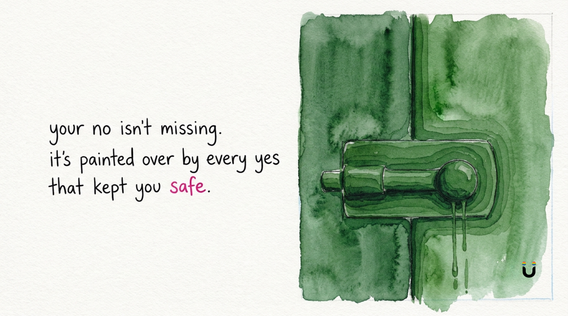
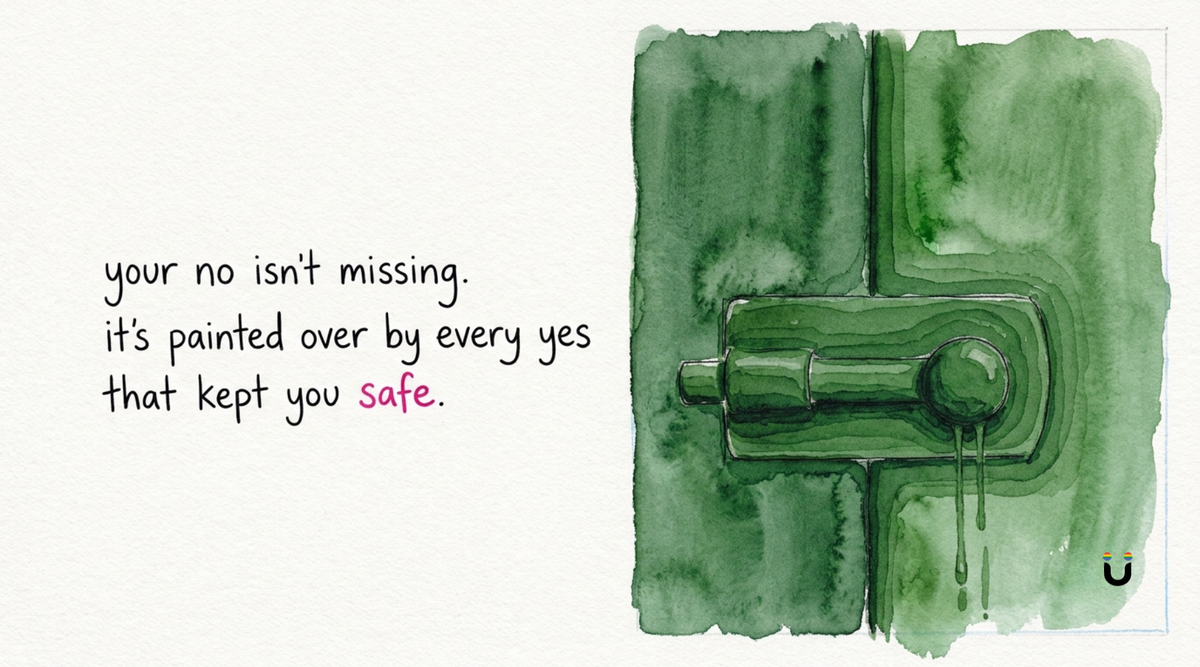
People pleasing is a habit of putting other people's approval ahead of your own needs, until saying yes runs on autopilot and saying no feels unsafe. The signs of people pleasing are the small automatic ones: the reflexive apology, the swallowed opinion, the yes that's out of your mouth before you've checked whether you mean it. Therapist Pete Walker, writing in 2003, named one version of this the fawn response: appeasing a threat to stay safe, the fourth trauma response alongside fight, flight and freeze. Which is where any honest attempt at how to stop people pleasing has to begin, with the fact that the yes was once keeping you safe.
What does people pleasing look like?
In a restaurant it sounds like "anything is fine." In a family WhatsApp group it's three thumbs up and a "no problem, I'll adjust." At work it's "sure, send it over" at 9pm, to a colleague who left at 6.
It means apologising first. Finishing the last roti so nobody else has to make the decision. Agreeing with an opinion you don't hold, because the disagreement would take longer than the evening has left in it.
In India it arrives with a script. "Thoda adjust kar lo." "Sab ko khush rakhna hai." A girl hears it about her future family. A boy hears it about his father's expectations. Both learn early that being good means being easy to deal with.
And it spills straight into work. If you are the one who picks up whatever a departing colleague leaves behind, we wrote about why you take on your colleague's work when they leave.
Why do some of us become people pleasers?
Because at some point it worked. Pete Walker, a therapist who writes about complex trauma, describes how it sets in. A toddler punished for protesting learns to stop protesting. A child who becomes useful to a parent can buy a little safety by handing over her own needs and limits. Extreme emotional abandonment can produce it too.
Walker calls it the fawn response. Fight shouts back. Flight runs. Freeze goes still. Fawn smiles and offers tea. All four are attempts at safety. This one just happens to get rewarded by almost everyone around you, so nobody ever thinks to suggest you stop.
Notice the word "good." Good girl. Good beta. Good employee. Good daughter-in-law. Every one of them is praise with a price tag stitched inside it: don't be difficult.
Is people pleasing just being nice?
Kindness is a choice. People pleasing is a compulsion, and the difference shows up the moment you try to decline. A kind person can say no and stay warm. A people pleaser who says no feels sick for a day. That's the test, really. Can you turn something down and still feel like yourself an hour later?
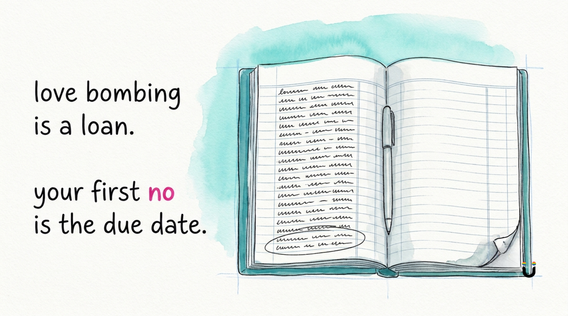
People pleasing isn't purely selfless, either. It buys you something. Safety, approval, a little control, because if everyone's happy with you then nobody can be angry at you. Resentment is the invoice that turns up later. A lot of people pleasers are the most privately furious people at the dinner table.
And saying no does carry real costs. A boss may be annoyed. A mother-in-law may sulk for a week. A friend may drift off. We won't tell you those costs are imaginary. We'll tell you that a life with no "no" in it carries costs of its own, and you pay them yourself, in installments.
How do you stop saying yes to everything?
Buy time. "Let me check and get back to you" is the most useful sentence in the English language. It costs nothing, and it lets your body weigh in before your mouth commits you.
Start where the stakes are low. Decline a forwarded message. Pick the restaurant yourself. Say "I'd rather not" to a favour you don't actually owe. Practise there, where nobody gets hurt, long before you try it at the Diwali table.
If you want a safe place to rehearse, our no, but nicely practice tool is free. If you would like to write the yes you swallowed, you can try our journals. And if the pattern has a long history behind it, a therapist can help you trace where it started.
Your first no will probably be small, and too polite, and delivered with an apology clipped to the front of it. That's fine. Count it anyway.
Resentment is the invoice that arrives later.
Frequently asked questions
Why am I a people pleaser?
People pleasing is usually a learned strategy. If approval, safety or love once depended on being helpful, agreeable or easy, saying yes becomes automatic. Therapist Pete Walker describes one version as the fawn response, an attempt to stay safe by appeasing others.
Is people pleasing a mental illness?
No. It's a pattern of behaviour, not a diagnosis. It can travel with anxiety, depression or past trauma, and it can wear you right down, but people pleasing itself is a learned habit, and a learned habit can be changed.
How do I say no without feeling guilty?
Expect the guilt at first. It doesn't mean you've done something wrong. Start with small refusals, lean on delay phrases like "let me get back to you," and watch how rarely the feared consequence actually shows up. The guilt tends to shrink with practice
Sources
Walker P. Codependency, Trauma and the Fawn Response. The East Bay Therapist, January/February 2003