Quick answer: Overthinking rarely ruins a relationship by itself. The damage usually comes from what it makes you do: seek reassurance you can't absorb, or read a late reply as proof something is wrong. The relationship strains when worry starts to shape how you read and speak to the person in front of you.
- Overthinking itself isn't the problem. The behaviours it drives usually are.
- Common roots: anxious attachment, or a past hurt that taught you to stay alert.
- It becomes a concern when it consistently shapes how you speak to or read your partner.
- Healthy reflection stays private. Damaging rumination turns into reassurance seeking, misread cues, or withdrawal.
- Naming the pattern clearly, rather than acting on every worst case thought, is usually the first real shift.
"The relationship isn't broken because you worry about it. It strains when the worry starts to take over how you read and speak to your partner."
Occasional worry about a relationship is normal and often useful. It becomes worth addressing when it consistently shapes how you speak to your partner, how you read their moods, or how much you trust what is actually happening rather than what you are afraid is happening.
Why Do I Keep Overthinking in a Relationship?
Most of the time, it traces back to one of three things.
Attachment patterns formed early in life play a large role. If your early relationships taught you that closeness could disappear without warning, your mind may treat distance or silence as a threat rather than neutral space. This is often described as anxious attachment, a well documented pattern in attachment research, not a personal failing.
Past relational hurt matters too. A previous betrayal can train the mind to stay alert for a repeat, even in a relationship that has not given it a real reason to.
And for some people, it is a low tolerance for not knowing. Uncertainty itself feels worse than a confirmed bad outcome would, so the mind keeps working on the problem, even when there is nothing yet to actually know.
None of these is a diagnosis. They are simply common starting points for a pattern that can otherwise feel like it comes from nowhere.
Is Overthinking a Red Flag in a Relationship?
Usually not, on its own. The real question is not whether you overthink, most people do sometimes, it is whether the overthinking stays private or starts shaping how you treat the other person.
Healthy reflection looks like noticing a feeling, sitting with it, then deciding whether it is worth raising. It stays connected to what is actually happening.
Rumination that erodes trust looks different. It is repeatedly seeking reassurance that never quite lands. It is building a case against the relationship in your own head. It is withdrawing, going colder, without explaining why.
That distinction, private reflection versus behaviour that starts working against the relationship, is the hinge point of everything else here.
How Does Overthinking Damage a Relationship, Step by Step?

The pattern tends to follow a fairly predictable sequence.
- Something ambiguous happens. A reply comes later than usual, a text feels shorter than normal.
- The mind fills the ambiguity with a worst case interpretation, because a definite bad answer feels more manageable than no answer at all.
- Hypervigilance sets in, scanning future moments for confirmation of a fear that is already half decided.
- Ordinary cues get read through that lens. A yawn stops being tired and starts being disinterested.
- This usually ends one of two ways: the fear gets voiced defensively into conflict, or swallowed into withdrawal.
- Either outcome reinforces the original fear, whether or not it was ever accurate.
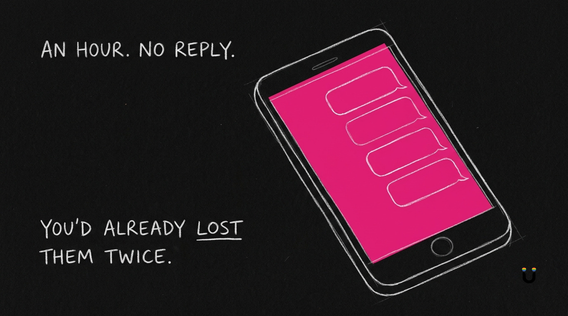
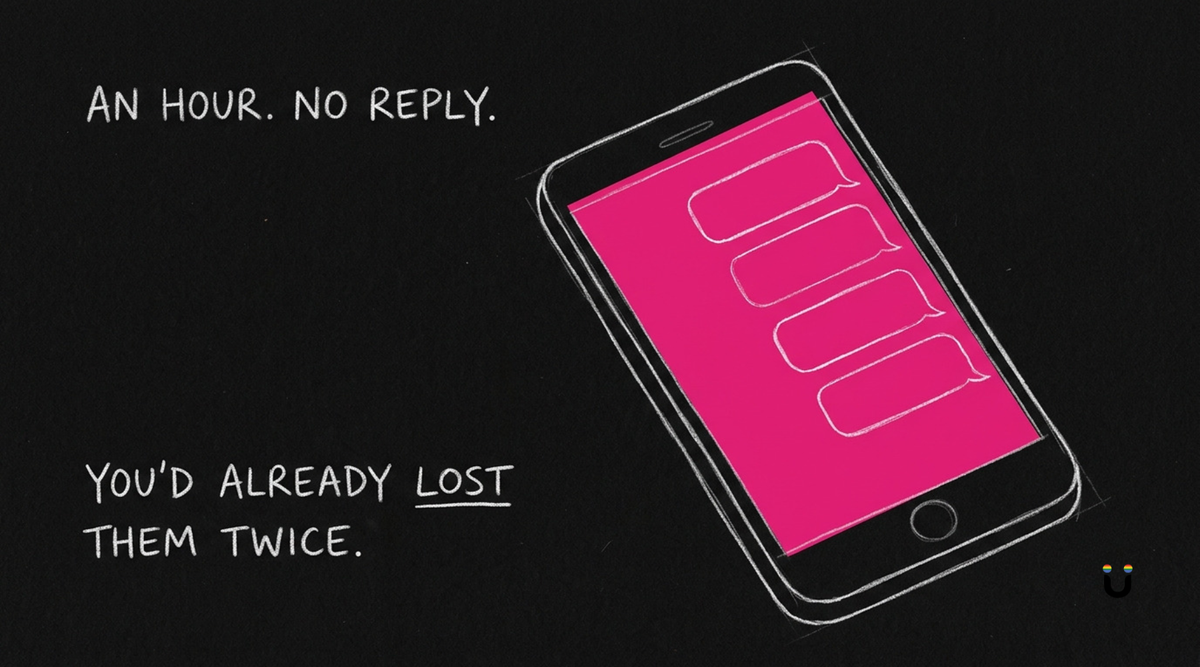
A single unanswered message turning into an evening of imagined scenarios, before the person replies with something ordinary, is the common shape of this. That gap is usually where the real cost of overthinking lives.
Is It Overthinking, an Unhealthy Pattern, or a Toxic Relationship?
These three get used almost interchangeably, but mixing them up can make an anxious moment feel more serious than it is, or a genuinely harmful one feel more manageable than it should.
| Pattern | What it actually looks like |
|---|---|
| Conflict driven by overthinking | Distress is mostly internal, built from interpretation rather than fact, and often eases with direct, honest communication. |
| Unhealthy dynamic | Recurring poor communication or unmet needs, without intent to harm, often improvable if both people are willing to work on it. |
| Toxic relationship | A pattern that includes control, disrespect, or harm, not just anxious interpretation, and usually needs outside support to address safely. |
This table describes patterns in general, not a verdict on any specific relationship. Which one fits, if any, depends on the actual behaviour involved, not just how anxious the relationship makes you feel.
How Do You Stop Overthinking From Ruining Your Relationship?
A few things genuinely help, beyond the usual advice to "just communicate more."
Name the thought as a thought, not a fact, before you act on it. Noticing "this is a fear, not something I know" creates a small gap between the spiral and your next move.
Use a specific script rather than a vague confrontation. Naming the worry directly, "I noticed I have been reading into your replies, can we talk about it," lands better than a comment that comes out sideways.
Build in a short pause before reacting to anything ambiguous. Even ten minutes helps the sharpest interpretation loosen its grip.
Notice the difference between wanting reassurance and wanting resolution. Reassurance soothes briefly. An honest conversation tends to hold.
Track the pattern over a couple of weeks rather than judging one bad night. Writing it down in a simple journal makes the difference between a habit and a spiral much easier to see, and it is easier to be honest about when it has grown bigger than daily habits can manage.
When Is It More Than Overthinking?
A few signs suggest this has moved past something you can fully handle alone. The pattern is constant rather than occasional. It is affecting your sleep, work, or relationships outside the one you are worried about. Reassurance never really lands, the relief lasts minutes before the worry returns. Or there is a history of anxiety or past relational hurt this pattern seems clearly tied to.
None of this is a diagnosis, and reading this is not a substitute for an actual conversation with a professional. But if several of these feel familiar, that is a reasonable moment to consider talking to someone.
So, Does Overthinking Ruin Relationships?
Not by itself. The behaviours it drives are usually what does the damage, and naming the pattern clearly is often the first real shift. It does not resolve in a single honest night, and it does not need to. Noticing the gap between the fear and the fact is enough to start with.
If this sounds familiar, it can help to talk it through with someone trained to work with this exact pattern. You can explore working with a therapist at The Thought Co. whenever you are ready.
Frequently Asked Questions
Does overthinking ruin relationships?
Not directly. It is usually the behaviours it drives, like reassurance seeking and withdrawal, that create real strain over time.
Why do I keep overthinking in a relationship?
Often early attachment patterns, past relational hurt, or a low tolerance for uncertainty, where not knowing feels worse than knowing something difficult.
Is overthinking a red flag in a relationship?
Not on its own. What matters is whether it stays private or starts shaping how you treat the other person.
How do I stop overthinking in a relationship after being cheated on?
This is heavier than general overthinking, since the trust has a real reason to feel shaken. The same tools help, naming the thought, pausing before reacting, but professional support is especially worth considering here.
What is the difference between a toxic relationship and a trauma bond?
A trauma bond involves persistent attachment despite harm, often shaped by cycles of mistreatment and reconciliation. General toxicity can exist without that specific cycle. Both are worth understanding with support.