Image Source: AI Generated
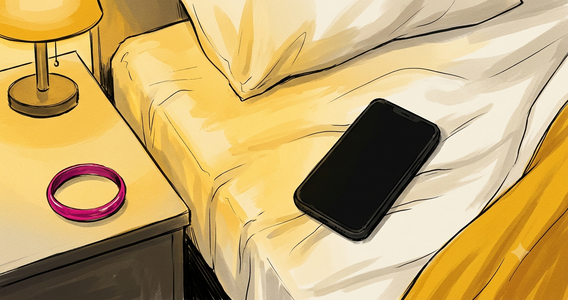
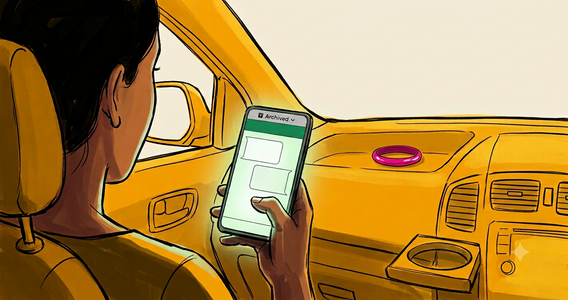
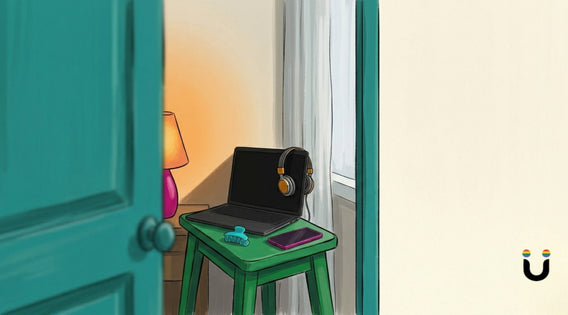
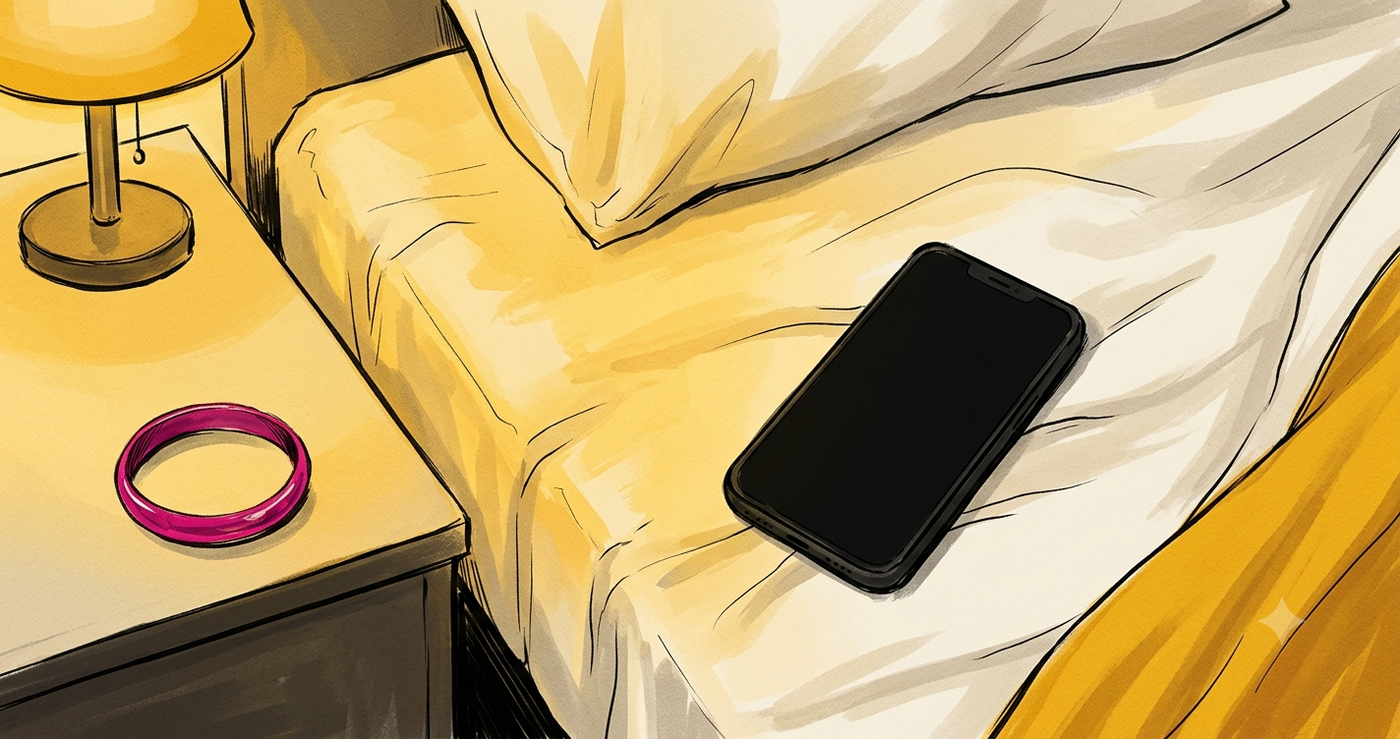
It is 11pm and Naina is lying to her sister. Not a big lie. Just the small, practised kind: no, there is no one, work has been mad, she will come home for Diwali if she can get the leave. Her phone is face down on the bed, because she has learned that staring at it does not make him text any faster. He will text when the children are asleep and his wife is in the shower, when the coast, as neither of them ever quite says out loud, is clear. This is what being the other woman looks like from the inside, and it is almost never what people picture from the outside.
Naina is not a villain. In my practice, I meet her often. Different name, different city, the same posture: a woman who has become very good at making herself small, waiting for a man whose life has no room in it for her, and who cannot for the life of her understand how someone this careful, this rational, ended up as the other woman.
Here is the thing almost nobody says to her. You did not choose this the way people assume you did. You were conditioned into it. And that same conditioning is exactly why it is so hard to leave.
"You did not choose to be the other woman. You were conditioned into it. And that is also why it is so hard to leave."
How Do You End Up Being the Other Woman Without Ever Choosing It?
Most women who become the other woman never set out to date a married man. They fell into a slow sequence of small, reasonable moments, each one defensible on its own, until the situation had a name they had never applied for. There is rarely a decision. There is a drift.
It often begins at a low point. A bad year, a lonely city, a marriage of your own that has gone cold, a period when you were, as one woman put it to me, thirsty enough that any rain felt like a miracle. He arrives attentive, curious, emotionally available in a way that feels rare. The attention lands on exactly the part of you that had been going hungry. By the time you learn how unavailable he actually is, you are already attached, and attachment does not run on logic.
If your own history taught you that love is something you earn by being useful, patient and undemanding, you are especially primed for this. John Bowlby, who built attachment theory, described how early experiences train us to expect a particular sort of love. A woman with an anxious attachment pattern reads inconsistent attention not as a warning but as intensity. The hot and cold does not repel her. It hooks her. Naina did not fall for a married man because she has poor judgement. She fell for the feeling of being wanted after a long time of feeling invisible, and by the time the ring on his hand became a fact she had to reckon with, the feeling had already done its work.
Why Is It So Hard to Leave a Married Man When You Know You Should?
The difficulty of leaving is not weakness, and it is not love in the way films sell it to you. It is the predictable result of intermittent reinforcement: the same reward schedule that makes a slot machine impossible to walk away from. B.F. Skinner showed that a reward delivered at random, unpredictable intervals produces far more compulsive behaviour than a reward you can count on. When you do not know whether the next pull will pay out, you keep pulling.
An affair with an unavailable man is that machine, built out of a human being. He cannot give you steady, ordinary, boring reliability, because his time and attention belong somewhere else. What he gives instead arrives unpredictably. A text at midnight. A stolen afternoon. A sentence about the future that he will not repeat when you bring it up later. Because the good moments are rare and unscheduled, your brain assigns them enormous value and spends the gaps between them waiting, refreshing, hoping. The waiting is not a bug in the relationship. For a machine built this way, the waiting is the whole design.
This is also why the ordinary advice to simply cut down contact almost never works. A slot machine that pays out less often is still a slot machine. It is the unpredictability itself that has you, and it keeps its grip whether you see him weekly or once a month. If you want to understand the deeper version of this loop, where affection and withdrawal cycle until they rewire your nervous system, it is worth reading how trauma bonds keep intelligent people in relationships they can see clearly and still cannot leave.
Why Does the Shame of the Affair Fall Entirely on You?
In India, the moral weight of an affair almost never sits equally on the two people having it. It falls on the woman, and specifically on the one without the wedding ring. He gets a shrug. You get a verdict.
In 2018, in Joseph Shine versus Union of India, the Supreme Court struck down the old adultery law and stopped treating infidelity as a crime, holding that the state had no business policing consensual relationships between adults. The law let go of its judgement. Indian society did not. The scripts are still everywhere: the other woman must have lured him, men get carried away, it is not really his fault, she should have known better. The same act reads as a moment of weakness in him and a defect of character in her.
This is why the isolation is so total. In a culture where your relationships are stitched into your family, your community and your reputation, there is no safe person to tell. You cannot bring this to your mother, your colleagues, most of your friends. So you carry it alone, and the loneliness pushes you closer to the one person who already knows, which happens to be the very man causing it. The secrecy that protects him from consequences is the same secrecy that keeps you trapped with him. Sometimes he leans on that. When he insists that his distance is in your head, that you are being paranoid, that you are imagining a coldness that is plainly there, you are no longer only in an affair. You are being taught to distrust your own perception, which makes leaving harder still.
What If Part of You Doesn't Actually Want to Leave?
Sometimes the hardest thing to admit is that a part of you does not want to leave. Not because you are foolish, but because the arrangement gives you something real, and pretending it gives you nothing will not help you get free.
An affair hands you a curated man. You get the best version of him, the charm and the intensity, without the tax of a shared life: no bills, no extended family to answer to, no sulking over whose turn it was to handle something dull. Being chosen in secret can feel, strangely, like being chosen more, because he is risking something to see you. That is a powerful, distorting feeling, and it is worth naming honestly rather than shaming yourself for it.
And here is the part the reassuring articles skip. Occasionally the man does leave his wife. Occasionally the affair becomes the marriage. It is not impossible, and no one can promise you it will not happen. But even when it does, the thing that made the affair feel electric, the secrecy, the scarcity, the sense of being an escape from ordinary life, is exactly the thing that cannot survive becoming ordinary. What you would be left with is a person, not a rescue. Wanting to leave and not wanting to leave can be true in the same body at the same time. You do not have to resolve that contradiction before you act on the part of you that wants out. You only have to let that part lead.
How Do You Actually Stop Being the Other Woman?
You stop being the other woman the way you break any intermittent reward loop: by removing the possibility of the reward, not by waiting until you no longer want it. The wanting fades after the loop is broken, not before. Here are some places to begin, offered as starting points rather than instructions.
Go fully no contact, not less contact. Block the number, mute the account, remove the reward entirely. This will feel worse before it feels better, because you are shutting off a machine your brain is still hoping will pay out. That spike of distress is withdrawal, not evidence that you made a mistake.
Tell one safe person. Shame needs secrecy to survive. The moment one trusted human knows and does not recoil, the story loses some of its power to isolate you. If there is no such person in your life, a therapist is one place that secret can safely land.
Stop auditing his life. Following his family online, tracking whether he seems happy, reading meaning into his wife's posts. Each check is another pull of the lever. Auditing his marriage keeps you living inside it. You are allowed to stop being a witness to a life you are not in.
Let yourself grieve it as a real loss. It was hidden, but it was not nothing. You loved someone, and you are allowed to mourn that without anyone's permission and without deciding first whether you had the right to. Grief you are not allowed to name has a way of pulling you back toward the thing you are grieving.
The question was never whether you are a good woman or a bad one. That was always the wrong question, and it kept you busy answering it while the real one waited. The real one is quieter and harder: are you willing to want a love that does not require you to make yourself small and invisible and available on someone else's schedule? You already know. The text can go unanswered tonight. That is not the end of the story. It is the first line of a different one.
Frequently Asked Questions
Why is it so hard to leave an affair with a married man?
Because the relationship runs on intermittent reinforcement. His attention arrives unpredictably rather than reliably, and unpredictable rewards are the most compulsive kind, the same mechanism that makes gambling addictive. Your brain overvalues the rare good moments and spends the gaps waiting. This is a conditioned response, not a lack of willpower, which is why cutting down contact rarely works and going fully no contact usually does.
Does the other woman ever win? Will he leave his wife?
Sometimes, yes. Some affairs do become marriages. But the qualities that make an affair feel intense, the secrecy, the scarcity, the escape from ordinary life, are exactly the qualities that cannot survive becoming a shared everyday relationship. Even in the version where he leaves, you are left with a person and a normal life, not the rescue the affair seemed to promise. Waiting to be chosen is not a plan, and it keeps you inside the loop.
Is being the other woman my fault?
Two adults were involved, and the one who made a commitment to someone else broke it, not you. Most women do not set out to date a married man; they drift into it, often at a vulnerable time when attention lands on a part of them that was going hungry. You can hold yourself accountable for your choices without accepting the entire moral verdict that culture, especially in India, tends to place on the woman alone.
How do you heal after being the other woman?
Start by going fully no contact so the reward loop can break, then let yourself grieve the relationship as a real loss rather than one you have to justify first. Tell one safe person, because shame needs secrecy to survive. Stop tracking his life online, since each check is another pull of the lever. Therapy helps you understand the attachment pattern underneath it, so you are less likely to repeat it with the next unavailable person.
Sources
B.F. Skinner on intermittent and variable ratio reinforcement schedules, foundational research in operant conditioning explaining why unpredictable rewards drive compulsive behaviour.
John Bowlby on attachment theory, and the anxious attachment patterns that make inconsistent affection feel like intensity rather than warning.
Joseph Shine versus Union of India (2018), Supreme Court of India, the judgment that decriminalised adultery and struck down Section 497 of the Indian Penal Code.
Esther Perel, The State of Affairs: Rethinking Infidelity (2017), on the psychology and meaning of affairs.
The Thought Co. on trauma bonds and gaslighting as a pattern.