Learned Helplessness
Have you ever said to yourself “ugh not this again, I suck at this!”? Personally I’ve felt like that with a lot of situations in my life – from dealing with something as small as math to other bigger, more stressful situations I’ve faced . I’ve failed at it so many times, had so many bad experiences that it feels like there’s no point in trying anymore – until I look back sometimes and realise that there was a way I could’ve done better but I felt so trapped in the moment that I didn’t even consider that option.
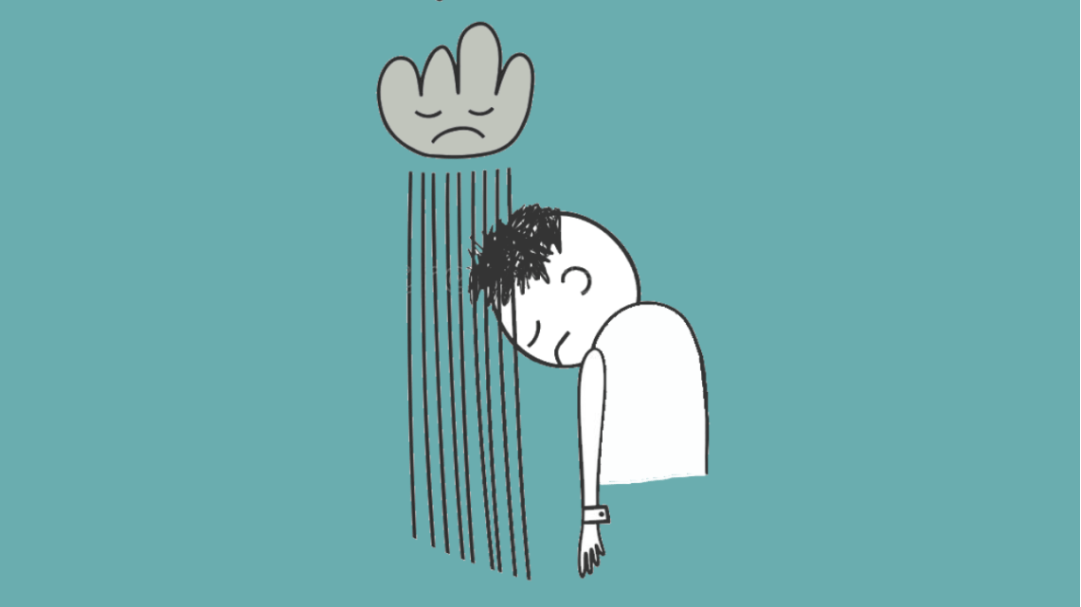
Learned helplessness occurs when an individual continuously faces a negative, uncontrollable situation and stops trying to change their circumstances, even when they have the ability to do so.
The term was coined by American psychologists Martin Seligman and Steven Maier. They conducted a series of (rather cruel) experiments where dogs were given a series of electrical shocks that they could not escape and later were put in the same situation but could escape by jumping over a barrier. The experimenters found that these dogs continued to bear the shocks because they had learned that there was no escape.
But humans are smarter than animals right? If there is a very clear escape route of course we’ll take a chance and escape! If we were put in the exact same experimental situation as the dogs maybe yes, we would’ve. But our problems are much much more complicated than that. Nevertheless there is an experiment that can explain this phenomenon in humans as well.
Psychologist Charisse Nixon at Penn State Erie University showed her students how learned helplessness works by having them complete word unscrambling tests. She asked her students to rearrange the letters in words to create new words. She asked them to solve the words one at a time, and raise their hands once they were done. The trick in her informal study was that half the class got the words “whirl, slapstick and cinerama” and the other half got: “bat,” “lemon,” “cinerama.” The first two words for the first half of the class were unsolvable. On seeing the other half of the class raising their hands and consequently feeling bad about their own performance, many students in the first group did not solve the last word thinking that they were either bad at this or that the questions were too difficult. You can watch a video of this experiment here.
Much like this experiment, as a result of repeated exposure to a stressful situation which is often inescapable, we might assume that it is always inescapable. In the words of David McRaney, who has hosted a podcast about this very topic, “Among all the ways we delude ourselves, [learned helplessness] is easily among the most damaging and most invisible.”
What’s important here is that the helplessness is learned, this in no way means that it is not valid, it comes from a very legitimate space of experience – it is an outcome of a situation in which we felt helpless. Maybe at that moment, bearing with the situation instead of constantly looking for solutions was the only coping mechanism available to us. A way to deal with this could be recognizing our feeling of helplessness but keeping ourselves open to the possibility of change or escape so that we can see it when it does present itself to us.
When we feel stuck in a situation we can take a moment to look at it as a malleable and negotiable situation even if it’s something we’ve faced before. We don’t shut the door of a possibility just because we were not used to it being there before.
Another good way to counter helplessness is by regaining a sense of control.
Research has shown that even small ways in which we can gain a sense of control – growing a plant, fostering a pet, creating art, volunteering somewhere, etc can help create a sense of capability. While this may not change the situation over which we may have limited control, it might change our view of the efficacy we have in dealing with the situation.
Sometimes this feeling of helplessness might push us into a corner that we may not be able to come out of alone – and that’s okay. Reach out for help – to your support system or to professionals – what’s learned can be unlearned with a little bit of help!
Explore Further: A Journal to Help You Unlearn Helplessness
If you’re feeling stuck or wanting a gentle way to rebuild agency, the Explore: Unpack and Unravel (Self-Exploration Journal) is a beautiful place to begin. Designed by psychologists, it helps you notice your patterns, reconnect with your sense of control, and move from helplessness to possibility — one page at a time.