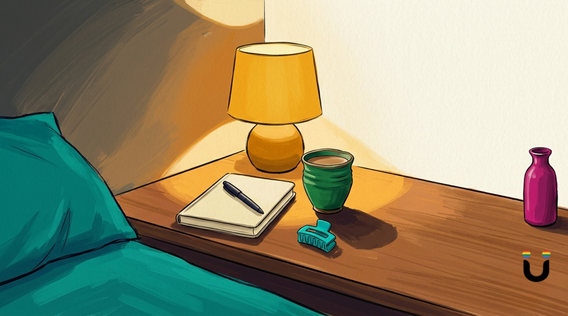
It's around four in the afternoon on a Tuesday and something is off.
You're not sad. You haven't had bad news. The day has been ordinary, the work has been fine, lunch was lunch. But somewhere between two-thirty and now, a slow draining quality has set into the room. A flatness behind the eyes. A tiredness that isn't from work. The strange heaviness of a body that has nowhere it needs to be after this.
You stand up to make tea. You don't really want tea.
This is the feeling I want to talk about. Not because it's a crisis. Because most people I know have it for years and call it everything except what it actually is.
A Slow Body Scan, Top to Bottom
Start with the chest. There's a low-grade compression that lives there for a lot of people, a slight tightness that arrives during work calls and you've assumed for years is anxiety. Notice when it actually shows up. Often not during the call. In the silence after. The other faces have left the screen, the kitchen is empty again, and there it is. That small held thing in your sternum, the one you've stopped registering because it's been there so long.
Move up to the throat. There's a small catch that happens when someone asks how are you? in a slightly too-warm voice. Your voice changes register before you've decided what to say. There's a swallow that happens before yeah, good, you? A tiny rearrangement of the throat to make sure nothing real comes out by accident. Most of us have done this so many times we don't feel it anymore. The throat does, though. It remembers.
The stomach is where it gets specific. A friend's Instagram story shows their group chat at a brunch you weren't at. There's a small dip somewhere under the ribs. It isn't jealousy. Jealousy would be louder, more pointed. This is softer than that. It's the recognition: something is happening that I am not part of. The dip is a body memory of being left out, even when nobody has actually left you out. The body doesn't always check the facts before it reacts.
Then the hands. This is the one I notice most in myself, and in clients. The hand reaches for the phone before the mind has registered why. There's no notification. There was no buzz. The hand just goes. I think of this as the loneliness reflex. The body hunting for human contact, and a notification being the closest substitute it can find on short notice. We talk about phone addiction like it's about dopamine. Sometimes it is. Often it's something simpler. The body is asking for someone, and the screen is the nearest thing.
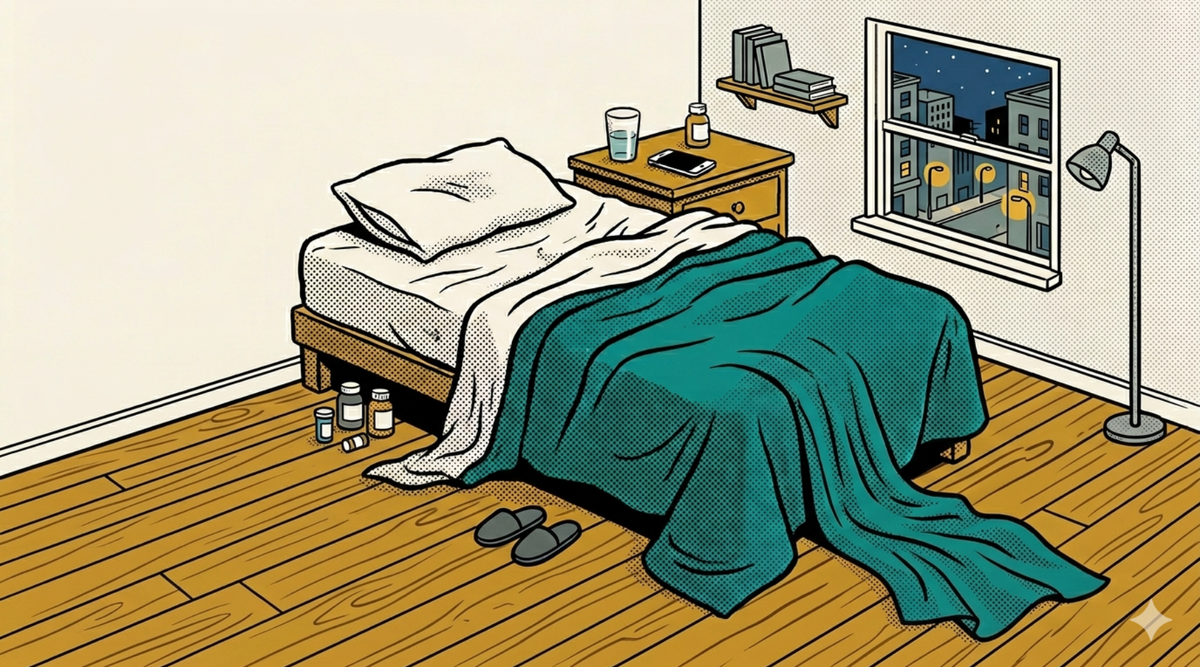
And then the Sunday body. Heavier. Slower. A coat-indoors quality to the afternoon. Most of us have a story for this. I just don't like Mondays. But I've come to think of it the other way around. Sunday isn't heavy because Monday is bad. Sunday is heavy because Monday restores the structure we've been using to outrun the feeling all week. Work, deadlines, meetings, the tube. As soon as those props come back, the body settles. Which is its own evidence.
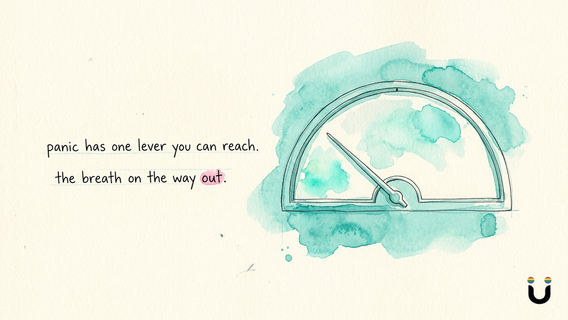
Underneath all of this, there's the breathing. Loneliness keeps the nervous system on a low simmer. Researchers studying social isolation have found sustained activation of the body's stress response. Elevated cortisol, increased baseline arousal, a background alertness that doesn't fully switch off. You don't need a study to recognise this. It feels like a breath that doesn't fully arrive in the belly. Like being mildly braced, all day, for something you can't name. We are tired not because of effort but because of standing alert for too long.
A Small Experiment
The body is keeping score even when the mind is saying I'm fine. If you've felt these things for more than a few weeks, if your four o'clock has been heavy for months, your body is telling you something your social calendar isn't ready to admit.
The next time you feel any of these. The chest, the throat, the Sunday heaviness, the phone reach. Try one renaming. Don't reach for I'm anxious or I'm tired or I think I'm catching something. Try I'm lonely instead. Just as an experiment. See if it fits. See if it lands more accurately than the other names you've been giving it.
You don't have to do anything about it yet. You don't have to call someone. You don't have to fix the social calendar. You just have to call it the right thing. There is a small thing the body does when something is finally named correctly. A half-millimetre of release, a breath that arrives a little deeper than the last one. That's the whole first step. Naming without fixing. In ACT we call this acceptance, but I think most people who've ever been honest with themselves know it as the relief of stopping the lie.
If you've been here for a while, if the four o'clock has been a year long, therapy is one place to take this. Not to cure the loneliness. To stop pretending it's something else. I've written before about why our generation feels disconnection so acutely, and there's a more practical piece on the team blog if you want somewhere to start. Therapy if it persists.
The body has been waiting for you to notice. It will keep waiting. And when you do, the noticing is enough for now.