Let's begin with the tabs. There are twenty-three. One is a recipe. One is a flight you've been "about to book" since June. One is the email you've drafted four times. A chai from 9am sits on the desk, cold, with a film on it.
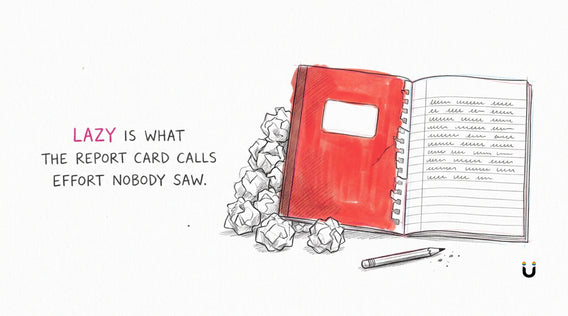
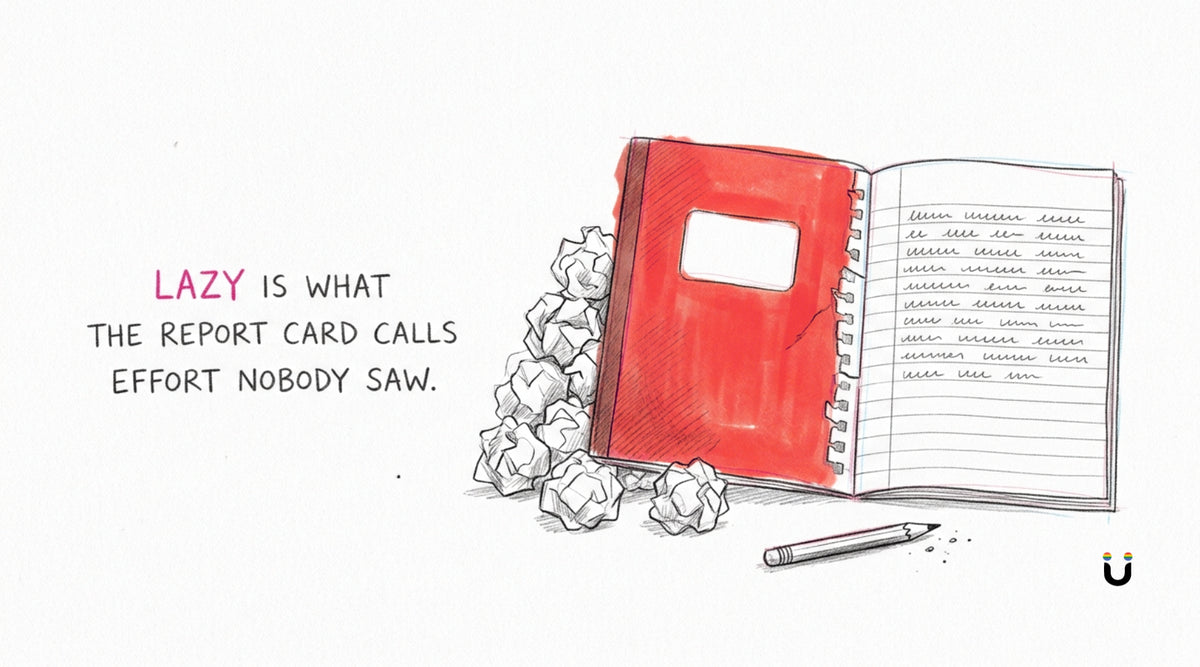
You aren't lazy. You may be many things, but we'd like to put that particular word down before we start.
ADHD symptoms in women tend to look nothing like the restless-boy stereotype most people carry. ADHD in women more often shows up as inattention, forgetfulness, emotional overwhelm, chronic lateness, and the bone-deep exhaustion of masking it all day, which is part of why inattentive ADHD in women gets missed for so long. Many women are diagnosed only in adulthood, after years of being called anxious, lazy or careless instead. Only a trained clinician can actually diagnose it, usually by taking a detailed history that reaches back into childhood.
What do ADHD symptoms look like in women?
Often they look like a mess you've learned to hide. A steady stream of small things. You lose your keys, your phone and your train of thought inside the same hour. You're late to everything, then furious at yourself for it.
Inside, it can feel like a radio tuned to six stations at once. People say "just focus," and you want to scream, because you are focusing. On everything, all at the same time.
Common signs include trouble starting a task at all, and time that either crawls or disappears on you. A room with a system only you understand. Big emotional reactions that take even you by surprise. A rolling sense that everyone else was handed a manual you never got. A lot of women describe an inner restlessness rather than the kind that bounces off the walls.
Not everyone with these signs has ADHD. Anxiety, depression, thyroid problems, poor sleep and trauma can all look remarkably similar, which is exactly why a proper assessment matters more than any quiz.
Why is ADHD missed in women and girls?
Because the picture we carry around is a small boy who can't sit still. Girls more often present as inattentive: daydreaming, doodling, quiet. A quiet girl doesn't disrupt the class, so nobody thinks to refer her.
There's a script running underneath, too. Girls get told to be neat, organised, polite and pleasing. So a lot of them compensate by working three times as hard as their friends. They stay up late redoing the notes. They survive school, and the whole cost of it gets paid in private.
We're describing a pattern clinicians report often. We haven't found an Indian study on how late women tend to be diagnosed here, so we're not going to invent a number for you.
How does ADHD get mistaken for anxiety or depression in India?
Easily. An overwhelmed woman who cries, forgets and falls behind gets treated first for anxiety or low mood. Those labels aren't wrong, and they're often genuinely present too. But when the treatment helps a little and the chaos stays exactly where it was, a second look is more than fair.
Family has its own set of explanations ready. "She's careless." "She needs more discipline." "After marriage she'll settle." Each one turns a brain difference into a character flaw.
Masking makes all of it worse. You build the rituals: the alarms, the post-it notes, the apologising in advance. From the outside you look completely fine. Inside, you're running a second full-time job called Looking Fine. We looked at that fatigue in why women feel they are failing at everything.
How is ADHD diagnosed in an adult?
By a clinician, through a detailed conversation. A psychiatrist or a clinical psychologist usually takes a history, asks about childhood, school and work, checks whether the symptoms show up in more than one setting, and rules out the other causes. Diagnostic criteria expect that the symptoms began in childhood, even when nobody noticed them at the time.
It isn't done by an Instagram quiz, and it isn't done by a friend who "has it too." Those can be the reason you finally go. They can't be the answer you leave with.
If you're not sure who to see, our guide to the signs you may need a psychologistt is a place to start. Medication, where it's appropriate at all, is a psychiatrist's call.
What helps while you wait for an answer?
Shrink the tasks right down. Not "clean the flat," but "put away the clothes on the chair." Try body doubling: work in the same room as someone else who's also working. Set the alarm before the alarm. Put your keys in one bowl, then bribe yourself into actually using it.
Stop reading your own difficulties as moral failures. Procrastination at work can be avoidance, or fear, or a brain that needs genuine interest before it can start. Each of those needs a different fix.
And if you suspect this is you, a therapist can help you sort through the possibilities and work out who to see for an assessment. A diagnosis can bring relief and grief in the same week. Nobody warns you about that part.
Frequently asked questions
What are the signs of ADHD in women?
Signs often include trouble focusing, forgetfulness, disorganisation, difficulty starting tasks, losing track of time, emotional overwhelm and restlessness. Many women also describe exhaustion from hiding these struggles. The signs overlap with anxiety and depression, so a clinical assessment is needed to tell them apart.
Can you be diagnosed with ADHD as an adult?
Yes. Many adults are diagnosed after years of carrying other labels. Clinicians typically look for symptoms that began in childhood and affect more than one area of life, and they rule out other conditions along the way.
Is ADHD in women different from ADHD in men?
The core condition is the same, but it tends to get noticed differently. Women and girls are more likely to show inattentive symptoms and to hide their difficulties, so they're often missed or diagnosed later than boys and men.