

Gratitude Journal
Rs. 999.00
Book a session, or send a message. A real person answers, not a bot.

Eight letters across twelve weeks. Sent to her inbox. Each one timed to where she actually is in her postpartum window — not at a generic Week 1.Written by Priyanka Varma, psychologist, who has been in this room both clinically and personally. The letters meet her where she is, name what she's feeling, and remind her that what is happening is both rarer and more universal than anyone is telling her.This is not advice. This is companionship.This is not toxic positivity. This is psychological honesty.
• Eight letters, one every ten days across twelve weeks
• The series begins where she is in her postpartum window
• Two-line journal prompts inside each letter, optional, never homework
• Eight different anchor topics — fourth trimester, baby blues vs PPD, postpartum rage, identity loss, joint family dynamics, intrusive thoughts, matrescence, and the floor coming backWritten in under 10 minutes of reading time. Deep enough to stay longer if she wants.
• Buy them for her. At checkout, you'll be asked her email
• She gets the first letter within 24 hours. One every 10 days after that
• She doesn't know it's from you, unless you want her to. You can sign it, stay anonymous, or attach a short note
• There's no app to download. No streak. No homework. This is a practice, not a performance.
Because postpartum isolation amplifies postpartum distress. Named experience regulates it. These letters draw from perinatal mental health research, narrative therapy practice, and a decade of clinical work with new mothers. Each one names something she is likely feeling but does not yet have language for. When experience moves from "something is wrong with me" to "this thing has a name and millions of women feel it," her nervous system shifts from shame mode to recognition mode.Language reduces shame.Recognition rebuilds the floor.
Digital experience. Instant access. Letters arrive by email.For the postpartum window — usable from the first weeks after birth through the first year, with optimal alignment in the first twelve weeks.Written in India, by an Indian psychologist, for an Indian context. Joint families, mothers-in-law, the laminated chart at the gynae's office — all of it.Not therapy. Not a substitute for therapy. If she needs therapy, the letters will say so and tell her how to start.Not crisis support. If she is in acute distress, please contact a mental health professional, iCall (9152987821), or Vandrevala Foundation (1860-2662-345).Made to revisit. Many women keep these letters and reread them years later.
Postpartum isn't a problem to solve. It's a developmental phase to move through.Sometimes joyful. Sometimes brutal. Always real.These letters won't make her sleep more.They won't shrink the laundry pile.They won't get the mother-in-law to leave the kitchen.What they will do is sit with her. Name what she's feeling. Remind her the floor will come back.She is not failing. She is becoming.There is a difference.
You don’t have to chase positivity. You can build it—one step at a time.
still not doing the candles thing.• Eight letters, one every ten days across twelve weeks
• The series begins where she is in her postpartum window
• Two-line journal prompts inside each letter, optional, never homework
• Eight different anchor topics — fourth trimester, baby blues vs PPD, postpartum rage, identity loss, joint family dynamics, intrusive thoughts, matrescence, and the floor coming backWritten in under 10 minutes of reading time. Deep enough to stay longer if she wants.
• Buy them for her. At checkout, you'll be asked her email
• She gets the first letter within 24 hours. One every 10 days after that
• She doesn't know it's from you, unless you want her to. You can sign it, stay anonymous, or attach a short note
• There's no app to download. No streak. No homework. This is a practice, not a performance.
Because postpartum isolation amplifies postpartum distress. Named experience regulates it. These letters draw from perinatal mental health research, narrative therapy practice, and a decade of clinical work with new mothers. Each one names something she is likely feeling but does not yet have language for. When experience moves from "something is wrong with me" to "this thing has a name and millions of women feel it," her nervous system shifts from shame mode to recognition mode.Language reduces shame.Recognition rebuilds the floor.
Digital experience. Instant access. Letters arrive by email.For the postpartum window — usable from the first weeks after birth through the first year, with optimal alignment in the first twelve weeks.Written in India, by an Indian psychologist, for an Indian context. Joint families, mothers-in-law, the laminated chart at the gynae's office — all of it.Not therapy. Not a substitute for therapy. If she needs therapy, the letters will say so and tell her how to start.Not crisis support. If she is in acute distress, please contact a mental health professional, iCall (9152987821), or Vandrevala Foundation (1860-2662-345).Made to revisit. Many women keep these letters and reread them years later.
Postpartum isn't a problem to solve. It's a developmental phase to move through.Sometimes joyful. Sometimes brutal. Always real.These letters won't make her sleep more.They won't shrink the laundry pile.They won't get the mother-in-law to leave the kitchen.What they will do is sit with her. Name what she's feeling. Remind her the floor will come back.She is not failing. She is becoming.There is a difference.
You don’t have to chase positivity. You can build it—one step at a time.
still not doing the candles thing.Practical, psychologist-designed ways to feel grounded and clear.

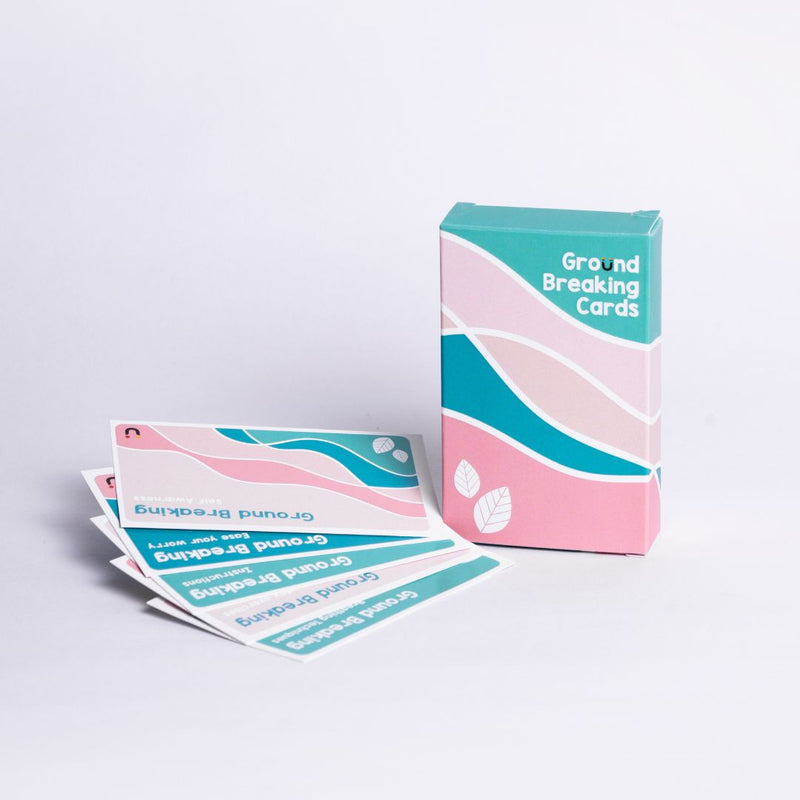

Behind the design
Postpartum has always been described as something to bounce back from. We wanted to try something else. What if we acknowledged that the floor is not where she left it?What if we stopped sending checklists and sent companionship instead? What if we wrote her the kind of letter we wish someone had written us? Letters To A New Mother was built for the days when the baby is asleep and she is awake, when the milk has come in and her sense of self has not, when everyone around her is asking about the baby and nobody is asking about her. This is for her.