
What Nobody Tells You About Holiday Loneliness
Image source: Macaulay Culkin as Kevin McCallister in Home Alone — Photo from 20th Century Fox.
Holiday loneliness often feels heavier than everyday solitude. Festivals amplify our longing for belonging, identity, and emotional safety — especially when we come from small families or shifting relationships. This reflection explores why the season triggers these aches and how we slowly build pockets of connection that feel like home.
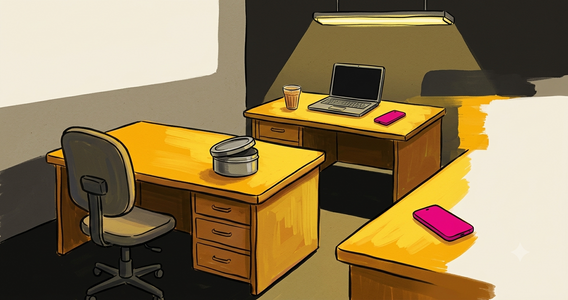
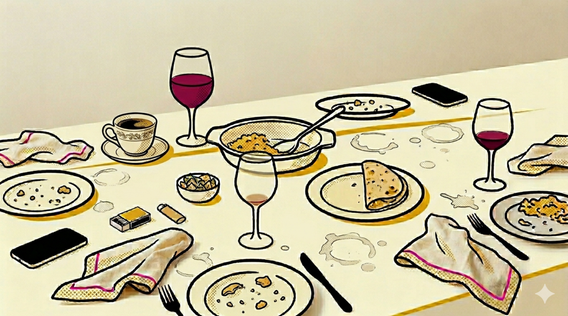
Every year when the festivals start stacking up — Diwali, Christmas, New Year's — I feel it again. That same quiet ache I've carried since childhood, watching other families celebrate in ways mine never did. Diwali at my house means a small pooja, maybe dinner out. By the end of the night, I'm left with this feeling that there should have been more.
It feels like everyone else has something I don't. Coming from a small nuclear family with barely any relatives, I grew up yearning for what I saw everywhere else — a gang of cousins, cool uncles who teach you card games, those big family gatherings where laughter spills from one room to the next. My friends talked about this. Movies and shows were full of it. And I couldn't help but want it too.
It's strange how a season meant for people to come together can so easily make you feel like the odd one out. Maybe it's because there isn't really a "group" that comes together for you. And when you don't have those built-in circles, the holidays start to feel less like a celebration and more like a reminder of everything you don't have. It's like the whole world is throwing a party you weren't invited to.
So when a few of my clients expressed that this time of year always feels like we're outsiders looking in, I could relate hard.
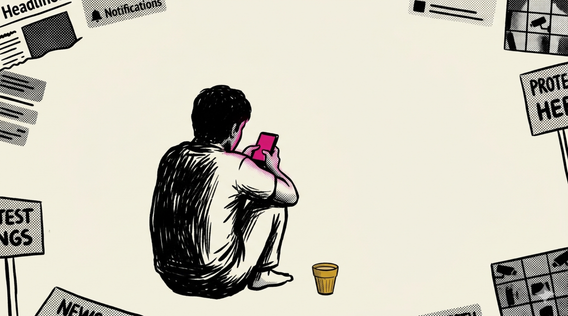
There's something about festivals that magnifies everything — joy looks louder, love looks brighter, families look happier. Social media becomes a highlight reel of togetherness, and suddenly your own quiet living room feels like something's missing. You start wondering if you're the only one who doesn't feel that warm, fuzzy holiday joy everyone seems to have.
What Is This Loneliness Really About?
Sometimes I think the loneliness of the holidays cuts deeper because it touches two such strong human needs — to belong and to be seen. It's a night that feels like it should have meant something.
I'd even find myself reminiscing about things that never actually happened. It all seems so much like a fantasy when I begin to realise that nostalgia isn't always about memory; sometimes it's about filling a gnawing void that's always been there. This season means that void glares back at you even stronger. I'd always fantasised about throwing a lovely, warm Diwali dinner at home, going on the terrace to light some crackers, and dressing up for a house party with my best friends. Even though it's probably something I never got to experience, it's something I've seen around me multiple times, pictured myself in those situations enough to know it's what I would like. The love I see others sharing with their siblings or grandparents, I feel for someone who doesn't exist. I know I have that love within me — it just doesn't know where to go.
When I tried to understand what this feeling meant to me deeply, it hit me — maybe it's not about the fun and enjoyment, but a sense of not belonging somewhere or to someone. Not feeling like a part of a tribe that's meant just for me, that would love me unconditionally. It felt like I didn't have a place I could call home.
After losing multiple friends and dealing with various life changes, I guess I craved the stability of people who wouldn't change like seasons. I grieved the childhood I never got, all the love within me that had nowhere to go. Deep down, I felt lonely. Lonely without that cosy, effortless kind of love that you know isn't going anywhere. People who were wired to love you, who stayed when everything changed. And that absence felt louder during the holidays.
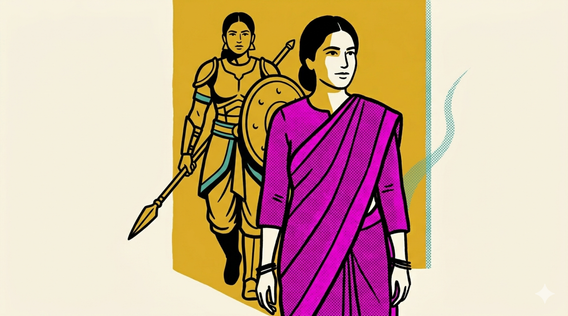
Over time, I realised that the people who surround us on our happiest days become our sense of identity, and maybe lacking that felt like I was lacking an identity that was just mine, that made me who I am, that gave me some roots.
I realised I wasn't craving crowds or celebrations — I was craving the people who chose me and wanted to be around me… for me. The loneliness wasn't about being alone; it was about feeling unanchored. Like I was floating between people and places without anything or anyone to ground me.
Why Does It Feel So Hard to Talk About?
Initially, I felt hesitant to write about this — while it's liberating, I also felt a sense of shame. But when many of my clients brought up this experience too, I realised it's not just a reality for me. It's an uncomfortable feeling of not coming from a large, close-knit family.
A part of me spent years feeling judged for not having this grand family. Judged by friends around me, and then eventually, maybe I was judging myself too. Almost like I did something to not deserve it. Maybe I'm not chosen? And when it comes to family, what feels worse is that you're either born into it or not. Everyone becomes busy during these days, and that reminded me that I was alone in this.
Looking for Home in All the Wrong Places
Something a client of mine brought up was the desperation to find a replacement for this feeling. For her, the lack of belonging from home spilled into every other relationship — friendships, dating, even work. The feeling of belonging doesn't just stem from feeling included, but rather from feeling "known" — feeling loved for who you are by people you can trust won't end up abandoning you. She kept trying to recreate "home" in other people, hoping someone would finally make her feel chosen.
And in listening to her, I realised how many of us do this in our own subtle ways. I'd notice myself searching for that same companionship, friendship, and security to feel less lonely in just about everyone I met. We look for substitutes — a friend group that becomes family, a partner who fills the emotional gaps, a social calendar packed just enough to drown out the silence. Holiday loneliness isn't just about missing family; it's about all the places we try to put our longing when we don't know where else to put it.
I think eventually I also noticed resentment creeping up within me for the people who had what I didn't. It wasn't that I didn't want to be happy for others — I just didn't know how to be happy with myself when their happiness mirrored everything I wanted. So I began to avoid it. Avoid discussions about family holidays, New Year plans, or anything that remotely reminded me of my single-child status.
That resentment slowly started turning inward. I began to detest my own life for not looking like theirs. I became so focused on what was missing that I forgot to make space for what was already there. Gratitude couldn't find its way in because comparison had taken up all the room.
I know this sounds like a complaint box about not having a big family — but it's much more than that. It's about something within us that feels missing and ends up becoming a sense of shame. It's about how sometimes, when we feel the lack of belonging, it may show up in all these messy, complex ways.
We rarely talk about loneliness without trying to fix it. Saying that I feel lonely during the holidays feels like confessing to failure — like you've done something wrong by not having enough people around you. But loneliness isn't proof of something missing in you — it's just a sign of how much you long for connection.
What Is This Exhaustion of Wanting?
Now that I look back, craving something for so long might have made me a little numb. Maybe I blocked it all out so that I didn't have to realise just how much I'm missing out on. There's a particular kind of exhaustion that comes from wanting something for years. After a while, the wanting itself becomes too heavy, so your mind does the only thing it can — turn the volume down. Not because you don't care anymore, but because caring that much — and not getting what you needed — hurts.
I think that's when I started putting on Friends to borrow the feeling of being surrounded by people who feel like home. A safe simulation of warmth. I felt a strange comfort in watching characters who are always there for each other, who walk into one another's homes unannounced, who never really leave.
Making Peace With Loneliness (And Still Hope For More)
But I've also started to find small pockets of belonging in unexpected places. When you don't have grand family traditions, maybe you start making small ones for yourself. You feel grateful for what you do have — the peace, the calm, the people who care. But you also feel sad for what's missing. And both those emotions can exist together, even if the world tells you to "focus on the positive."
Even when you've made peace with your solitude, there's still a small part of you that hopes next year will feel a little less lonely. Maybe you'll find your people, your rhythm, your version of home. And that hope, in itself, becomes something to hold on to. Even though I pretend like I don't need it anymore, there's a part of me that always hopes and is waiting for someone to show up.
Maybe the goal was never to eliminate loneliness, but to understand it. To make room for it without letting it swallow everything else. To let it sit beside gratitude instead of replacing it. And in some strange way, that makes the holidays feel a little less heavy — not because everything is fixed, but because I'm finally honest about what hurts.
Looking to build meaningful connection, one conversation at a time?
Explore What Happens After Hello — our psychologist-designed tool that helps you move past small talk and deepen the relationships that matter. A gentle companion for moments when you're craving real warmth and genuine belonging.