This Is What Friendship Anxiety Actually Looks Like
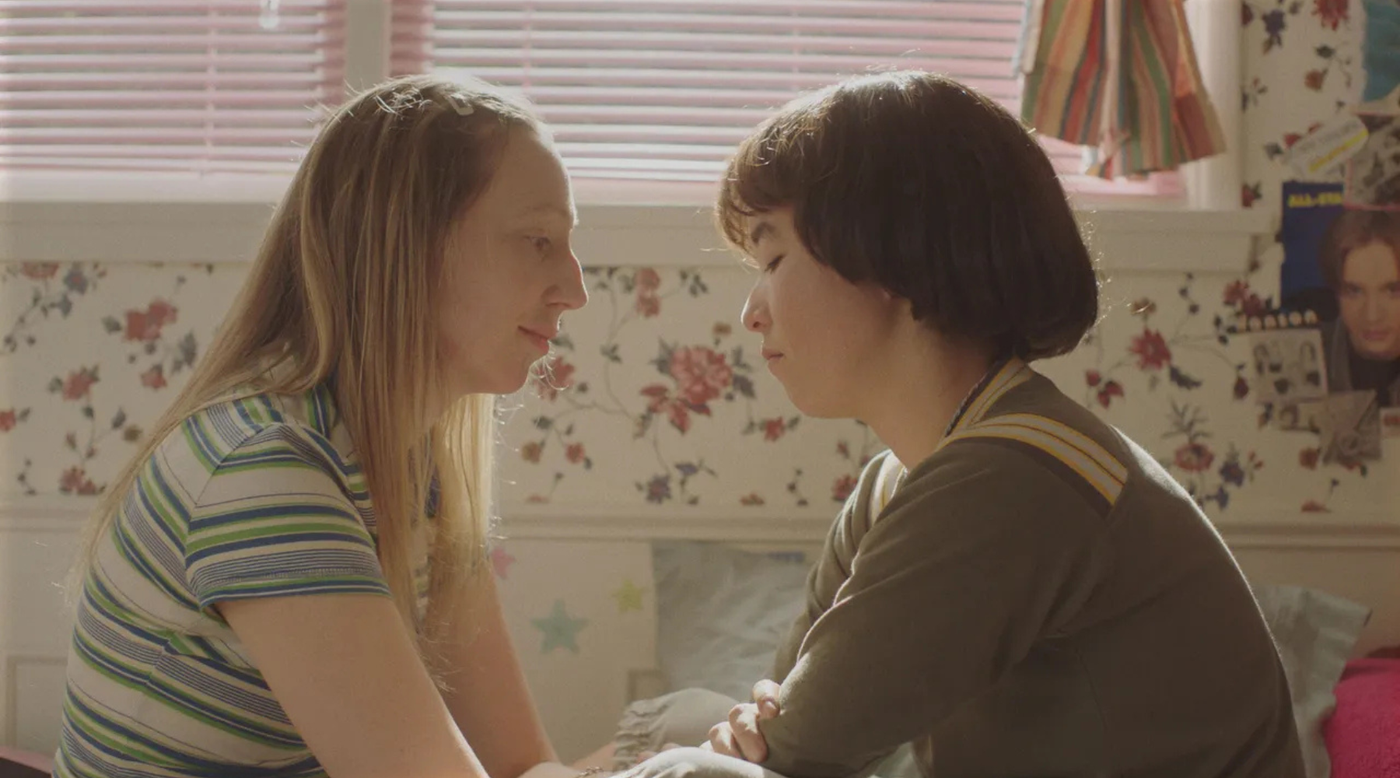
Image Source: Image courtesy of Hulu’s PEN15 (used for editorial context). PEN15 is a Hulu original series created by and starring Maya Erskine and Anna Konkle.
I've known my best friend for ten years. In adult-time, that feels like a lifetime.
We've done everything best friends do—been inseparable, fought, misunderstood each other, gone months without talking, and somehow, every single time, found our way back. She has been my constant. My idea of home. The one person I was certain wasn't going anywhere. And that certainty meant I never had to prepare for things between us to change.
Then, last week, my fear came true.
She'd been planning to go abroad for her MBA for a while. I always knew it was coming, but I kept thinking of it as something happening far into the future–something I had time to prepare for. Then she told me she'd be leaving in a year. And suddenly, "someday" became a deadline.
I smiled. I listened. I was happy for her. I asked the right questions. I said all the supportive things you're supposed to say when someone you love shares a big dream. I told her we'd be okay, that I'd visit, that we'd make it work.
But inside, something quietly panicked.
An Instagram Story That Broke Something Open
A few days later, I saw her in someone's Instagram stories. She was out with a colleague—laughing, being warm and affectionate, being entirely herself. Nothing was wrong. Nothing was dramatic. But I saw her doing all the things we used to do, with someone else, and my body reacted before my mind could catch up.
I wanted to shut down. I wanted to pull away entirely. And the narrative in my head became loud and cruel: I'm not important. I'm being replaced. She's already moving on.
I started looking at her through a different lens—as someone who had already chosen a life without me.
So I did what felt safest: I pulled away.
I didn't reply to her messages for two days. I told myself I was practicing independence. What I was actually doing was rehearsing the pain—trying to make her absence easier by abandoning the relationship before it could abandon me.
Understanding My Anger (That Was Actually Fear)
I felt angry at her. Angry at myself for feeling this hurt. Angry at how scared I was of being without her.
What I didn't understand then—but do now—is that I wasn't angry at her at all. I was terrified. Terrified of losing her, of my life changing, of having to build a new normal and letting go of a comfort we'd spent ten years creating.
Underneath all of it, I just wanted reassurance. I wanted to know I mattered. That I wasn't replaceable. But asking for that felt too exposed. So my guard went up—ego, protection, and fear blending into one neat coping strategy: distance.
When she finally messaged and asked if something was wrong, I felt an overwhelming sense of relief. I didn't have to initiate. I didn't have to risk looking needy. I could just say what was actually going on. So I did. I told her I felt scared and left out—that with her talking about leaving, every small thing had started to feel bigger, and that I just needed to know I still mattered to her the same way. I asked her to be a little more verbally reassuring during this phase. To remind me, in small ways, that we were still us.
Why We Leave Before We're Left
This experience stayed with me — not just as a friend, but as a therapist. Because I see this pattern everywhere.
So many of us experience change as abandonment. A friend moving cities. A partner growing in a different direction. Someone expanding their world. All we hear is: I'm being left. And when that happens, we do anything to protect ourselves. We start pulling back, telling ourselves it's better not to care so much, convincing ourselves that walking away first will hurt less. We create distance before any real distance has even been created—just to soften the blow of a goodbye that hasn't happened yet.
For me, this doesn't look dramatic. It looks like going quiet and taking longer to reply, sharing less than I normally would. Rewriting the story—maybe this wasn't as important to her as I thought—until I've talked myself all the way out of something that was never under threat in the first place.
Our twenties and thirties don't make this easier. Careers shift. Priorities change. People move. Transitions are everywhere, and any threat to stability—especially emotional stability—can feel unbearable. And so we don't just push away the situation. We push away the person.
The Question That Stopped Me
At some point, in the middle of all of it, I had to stop and ask myself: if she's still here, still checking in, still choosing me in every way she can right now—why am I the one slowly walking away?
That question cracked something open.
I keep thinking about how easily this could have gone another way. How easily I could have let my fear harden into distance and called it “self-respect”. How easily I could have rewritten the story entirely, just to feel safer.
Maybe you've felt this too—the overthinking, the pulling back, the stories you build in your head before you've had the chance to ask what's actually true. When have you convinced yourself someone didn't care without ever checking? When have you withdrawn instead of asking for reassurance? When has self-protection quietly become self-isolation?
Not to judge yourself. Just to understand yourself.
What Awareness Actually Does
If I hadn't caught what was happening inside me, I know exactly how this would have played out. I would have convinced myself of the worst—that she didn't care, that this was her way of slowly exiting, that she was already gone. My sadness would have shapeshifted into anger, because anger is easier to hold than grief. I would have been reacting from hurt, not truth.
Awareness didn't erase the pain. But it stopped me from letting that pain rewrite the whole story.
Sometimes the real work is just being honest about what we're afraid of losing—and trusting that the people who matter might actually want to stay, if we let them.
Try What Happens Over Chai?
If friendship anxiety has you guessing, this conversation game gives you better questions to ask, and safer ways to say what you mean. Use it with a friend, partner, or even your sibling when you want closeness without the awkward build-up.
Explore the game